The Moment It Clicked: What Actually Turns a Timbers Casual Into a Season Ticket Lifer
Ask Marcus Webb when he became a real Timbers fan and he doesn't hesitate. It was a Tuesday night in 2015. He'd been dragged to a match by a coworker who had an extra ticket. He'd never really followed soccer. He thought he'd stay for one half, be polite, and leave.
He stayed until the stadium lights went off.
"I don't even remember who scored," he says. "I just remember standing in that section, surrounded by people who were completely losing their minds, and thinking — I want to feel this every time."
By the following February, he had season tickets.
Marcus's story isn't unique. It's practically a template. Across the Timbers fanbase, you find the same basic arc repeated with different details: a first exposure, a moment of unexpected intensity, and then a decision — sometimes conscious, sometimes not — to go all in. What's fascinating is how consistent the type of moment is, even when the specific circumstances vary wildly.
The Anatomy of a Conversion
Research on sports fan loyalty has identified a few key factors that predict long-term attachment: social bonding, emotional intensity of early experiences, and a sense of identity alignment — the feeling that supporting this team says something true about who you are.
Portland scores unusually high on all three, and the reasons aren't accidental.
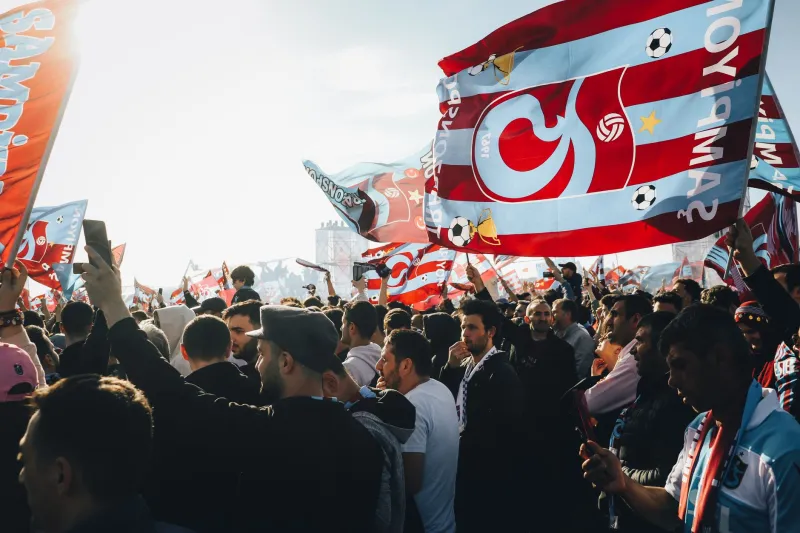
The Timbers Army section creates a social environment that's fundamentally different from most American sports experiences. You're not sitting and watching — you're participating. You're singing, you're jumping, you're part of a coordinated visual spectacle. For people who've only experienced passive sports consumption, that active participation is often the triggering factor.
"I'd been to Trail Blazers games, Seahawks games, all of it," says Daniela Torres, a season ticket holder since 2018. "Nothing had ever made me feel like I was in it. At Providence Park, I was in it from the first whistle. That's not something you forget."
The Specific Moments That Keep Coming Up
Talking to dozens of Timbers supporters about their conversion stories, a handful of specific moment types emerge over and over again.
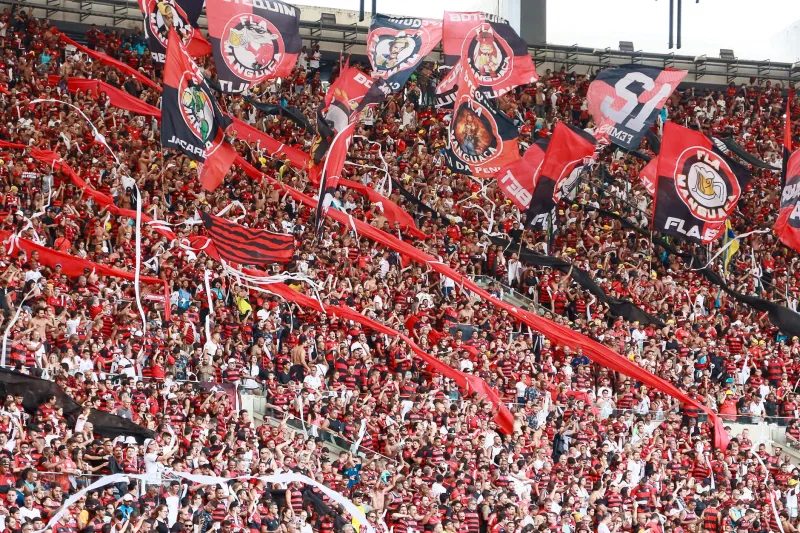
The tifo reveal. For a significant number of fans, seeing a large-scale tifo for the first time — especially during a high-stakes match — is genuinely shocking in the best possible way. Several supporters described not fully understanding what was happening when the Timbers Army unveiled a massive visual display, and then feeling something shift in their understanding of what this community was capable of.
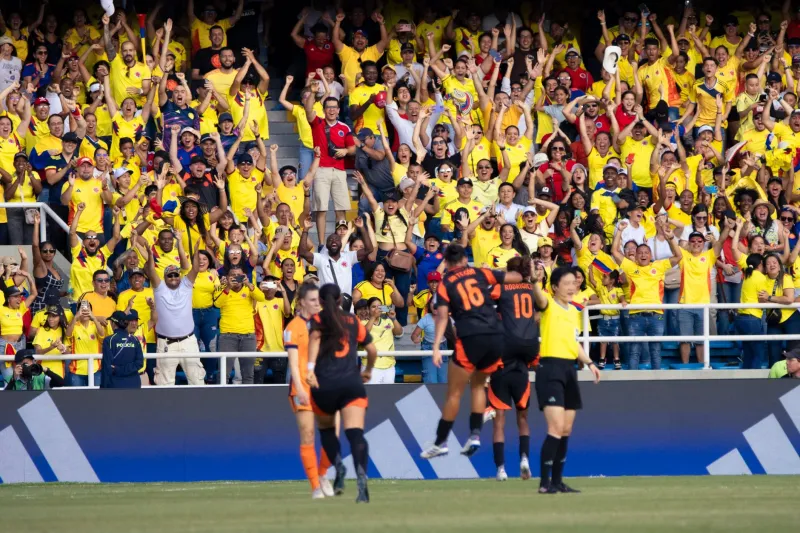
A late-game goal in a loud stadium. This one's almost universal. There's a neurological reason for it — the combination of sudden sound, crowd movement, and shared emotional release creates a powerful memory encoding moment. Multiple fans described a specific late equalizer or stoppage-time winner as the exact second they "became" a Timbers fan. The details of the match matter less than the sensory experience of being there.
A conversation with a stranger who became a friend. Providence Park is a place where people talk to each other. For fans who came alone or with one other person, an unexpected conversation with a neighboring supporter — someone who explained the chants, shared the history, made them feel welcome — was often cited as the social hook that made them want to come back.
Bringing a kid for the first time. This one's a conversion story with a twist. Several parents described attending casually for years, then watching their child completely light up at a match and feeling the whole experience reframe itself. Suddenly it wasn't just entertainment — it was a family tradition in the making. Season ticket purchases following a child's first match are, anecdotally, a significant conversion pathway.
Why the First Game Is Everything
The data on sports fan retention consistently shows that the first live experience is disproportionately important. Fans who have a high-quality first experience are dramatically more likely to return and eventually commit at a higher level. Fans who have a mediocre first experience rarely give the sport a second chance.
Portland benefits from a structural advantage here: the stadium itself creates conditions for a strong first experience almost automatically. The intimacy of Providence Park, the noise levels, the standing section energy — these aren't things you have to get lucky to experience. They're baked into the venue.
But the human element matters just as much. The Timbers Army's culture of welcoming newcomers — explaining chants, being generous with context, treating first-timers like future members rather than tourists — has a measurable effect on whether those first-timers come back.
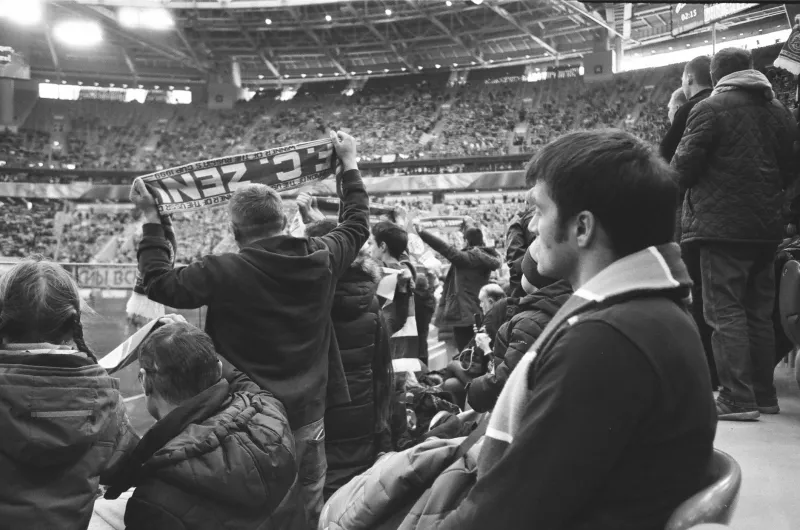
"Someone handed me a scarf on my way in the first time I went," says Kevin Okafor, now a multi-year season ticket holder. "Just handed it to me. Said 'you'll need this.' I didn't even know what it meant. But I wore it, and I felt like I belonged. That was it for me."
The Season Ticket Tipping Point
Once a fan is attending regularly, the move to season tickets tends to be triggered by one of two things: scarcity or community.
Scarcity is straightforward — when individual match tickets become hard to get or expensive, the economic logic of a season package becomes obvious. Portland's consistent strong attendance creates this pressure naturally.
Community is more interesting. Many longtime season ticket holders describe their section neighbors as genuine friends — people they see more regularly during the season than most of their coworkers. When the social fabric of the stadium becomes part of your actual social life, the season ticket stops being a purchase and starts being a membership fee.
That's the loop Portland has built, whether by design or by fortune: get someone in the door, give them an unforgettable experience, surround them with people who make them feel at home, and let the community do the rest.
Marcus Webb renewed his season tickets again this year. He's brought six different people to their first Timbers match over the past few seasons. Two of them now have season tickets of their own.
The playbook runs itself.