Copy That: Inside the MLS Expansion Rush to Bottle What Portland Built
Somewhere in a conference room in St. Louis, a front office staffer is watching old tifo videos from Providence Park on a laptop. In San Diego, a newly hired community engagement director just got back from a weekend trip to Portland where she attended a Timbers match, stood in the Timbers Army section, and tried to absorb everything she could in 90 minutes plus stoppage time. In Las Vegas, an ownership group is debating whether to prioritize a downtown stadium location — partly because of what Portland proved decades ago.
This is what success looks like when it becomes a curriculum.
The Portland Timbers didn't just build a fanbase. They built a case study that the rest of MLS can't stop referencing. And as the league pushes toward 32 teams and beyond, the pressure on expansion franchises to hit the ground running — culturally, not just competitively — has never been higher.
Why Portland Became the Template
It's worth stepping back and asking why Portland, specifically, became the model everyone studies. The Timbers weren't the first MLS team. They weren't in the biggest market. They didn't immediately win championships. What they did was create an environment where showing up to a match felt like joining something — a movement, a neighborhood, a cause.
A lot of that came from the Timbers Army, the independent supporters group that predates the current MLS era of the club. That organic, fan-first origin story is something expansion teams desperately want to recreate. The problem, as more than a few front office folks will quietly admit, is that you can't manufacture it.
"We've studied Portland extensively," said one executive from a recently launched MLS franchise who asked to remain unnamed to speak candidly. "The honest conclusion we came to is that about 60 percent of what they have is replicable with the right strategy and patience. The other 40 percent is just... Portland. The culture of that city. The history. The fact that they had passionate fans before the league even showed up."
That's the tension every expansion team wrestles with — and it's a productive one.
What's Actually Transferable
So what does that replicable 60 percent look like in practice?
Stadium location and intimacy. Providence Park sits in the heart of Portland, accessible by public transit, surrounded by bars and restaurants that have built their identities around match days. Expansion teams are increasingly prioritizing urban, walkable locations over suburban stadium campuses. The lesson from Portland is that geography shapes culture. If fans have to drive 25 minutes from downtown and park in a lot, they're customers. If they can walk over from a pregame spot they've been going to for years, they're community members.
Local ownership with genuine roots. The Peregrine Sports ownership group has consistently framed its relationship with Portland as something beyond a business transaction. Expansion franchises are watching that dynamic closely. Several newer clubs have made deliberate efforts to bring in local ownership partners — not just for the capital, but for the credibility.
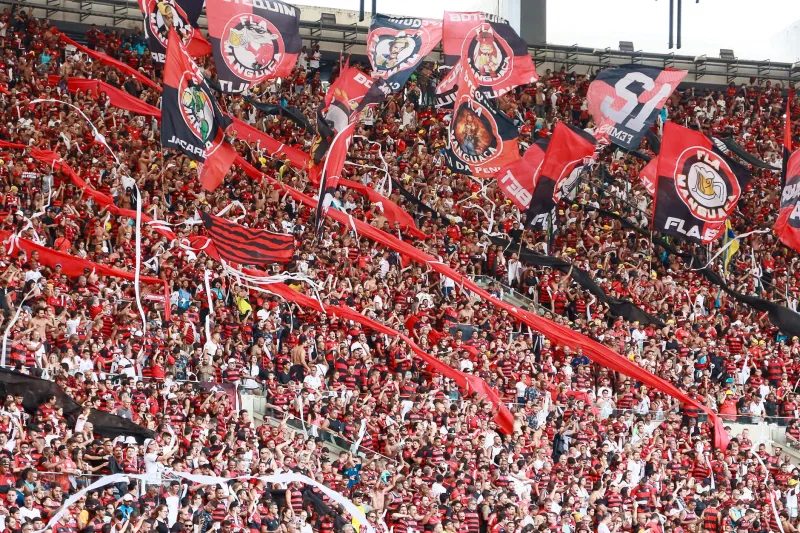
Early investment in supporter culture. Portland let the Timbers Army have a real identity before the front office tried to brand everything. Some expansion teams are learning from that by deliberately creating space for organic supporter groups to form, rather than trying to design fan culture from the top down. It's a counterintuitive move for organizations that are used to controlling their messaging, but the results speak for themselves in cities where it's been tried.
Digital-first community building. Portland's fanbase was an early adopter of online community spaces — forums, social media, podcasts — and the club leaned into that rather than fighting it. New franchises are investing heavily in digital infrastructure before their first competitive match, building Discord servers, launching YouTube channels, and partnering with fan-created content creators months before kickoff.
Where Expansion Teams Are Forging Their Own Path
Not everyone wants to be Portland 2.0, and the smarter expansion franchises know that copying too closely is its own kind of failure.
St. Louis City SC, for example, leaned hard into its soccer-specific history — the region has deep youth soccer roots that predate MLS entirely. Their approach to supporter culture borrowed the spirit of what Portland built while grounding it in a distinctly Midwestern identity. It worked. Their first season attendance numbers were among the strongest in recent expansion history.
San Diego FC, set to begin play in 2025, has talked openly about building something that reflects the cross-border, binational character of the region. That's not a Portland playbook — it's a San Diego playbook that happens to share some DNA with what the Timbers proved possible.
"Portland showed us that a mid-sized American city could go all in on soccer and win," said a consultant who has worked with multiple expansion franchises. "But the specific ingredients are different everywhere. The lesson isn't 'do what Portland did.' The lesson is 'believe that your city can have its own version of this.'"
The Part Nobody Can Steal
Here's the thing that keeps coming up when you talk to people who've studied Portland's model closely: the Timbers Army wasn't created by a marketing department. It existed before most of the current front office was hired. That authenticity — the sense that the fans own something real, that their passion wasn't manufactured for them — is the hardest thing to replicate and the most important ingredient in the whole recipe.
Expansion teams can build beautiful stadiums in walkable neighborhoods with great transit access and thoughtful local ownership and robust digital communities. All of that matters. But the soul of what Portland built came from fans who were there before the cameras, before the MLS branding, before the mainstream attention.
The best expansion franchises aren't trying to copy that. They're trying to create the conditions for their own version of it to emerge — and then getting out of the way.
That might be the most Portland lesson of all.