All In on Green: Why Portland Timbers Fans Spend More, Stay Longer, and Never Look Back
Somewhere between your first match at Providence Park and your third renewal notice, something changes. The game stops being entertainment and starts being something closer to identity. You're not just buying a ticket anymore — you're buying membership in something. And according to the data, Portland Timbers fans make that leap faster, deeper, and more permanently than fans in almost any other MLS market.
So what's actually going on? Is it the city? The club? The way the two have grown together over the past decade-plus? We went looking for answers, and what we found is a story about community, belonging, and the surprisingly rational psychology behind what looks, from the outside, like irrational loyalty.
The Numbers Don't Lie
Let's start with what we know. Portland consistently ranks among the top MLS markets for season ticket retention. The club's waitlist for season tickets — while it fluctuates with on-field results like any market — has historically been one of the longest in the league. Per-fan merchandise spending in Portland outpaces most of its MLS peers, and premium experience packages sell through at rates that would make front offices in larger media markets envious.
For a mid-sized American city without the corporate base of New York or LA, those numbers are striking. Consumer behavior researchers who study sports markets often flag Portland as an outlier — a place where the emotional investment of fans translates into financial commitment at an unusually high conversion rate.
Identity Over Entertainment
Dr. Sarah Linfield, a consumer psychology researcher who has studied sports fan behavior in North American markets, describes what Portland has built as a textbook case of "identity-based loyalty" — which is fundamentally different from the preference-based loyalty that drives most commercial relationships.
"When a fan says 'I'm a Timbers fan,' they're not describing a preference the way they'd describe preferring one brand of coffee over another," she explained. "They're describing who they are. Once fandom becomes identity, the calculus around spending changes completely. You're not evaluating cost versus benefit — you're investing in a part of yourself."
That distinction matters enormously for how fans respond to price increases, losing seasons, or the general friction of being a committed sports consumer. Identity-based fans are dramatically more resilient. They don't walk away when things get hard. They double down.
The Community Multiplier
One factor that comes up repeatedly in conversations with long-term Portland season ticket holders is the social dimension of their commitment. It's not just about the games — it's about the people they experience the games with.
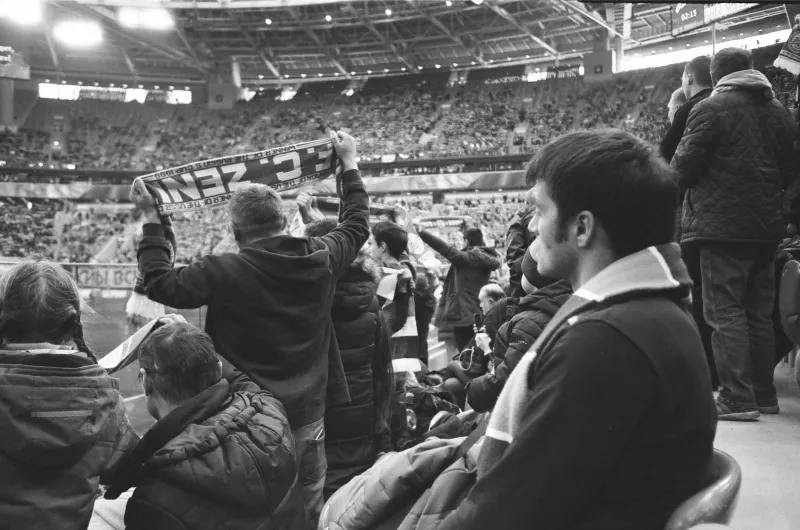
Marcus, a northeast Portland resident who has held season tickets since 2012, described a network of about twenty people whose social lives are substantially organized around Timbers matches. Pregame gatherings, group travel for away games, a group chat that runs year-round. "If I dropped my tickets, I wouldn't just lose the games," he said. "I'd be walking away from a whole social infrastructure. That's not a decision you make lightly."
This social embedding is something Portland has cultivated deliberately, through supporter culture, community events, and a club identity that emphasizes belonging over spectacle. It creates switching costs that go far beyond the financial — and that's exactly why retention stays high even when results disappoint.
The Role of the Club Itself
It would be unfair to attribute all of this to organic fan passion without acknowledging how deliberately Portland's organization has worked to deepen the relationship between the club and its community. The Timbers have invested in local partnerships, community outreach, and a communication style that treats fans as stakeholders rather than customers.
When fans feel respected by the organization, they invest more. It's not complicated, but it's surprisingly rare in professional sports. The clubs that treat their fanbase transactionally tend to get transactional loyalty in return — meaning fans leave when a shinier option appears. Portland has built something stickier than that.
The Casual-to-Committed Pipeline
Perhaps the most revealing thing about Portland's fan market is how efficiently it converts first-time attendees into repeat customers and eventually into season ticket holders. The experience at Providence Park is engineered — whether intentionally or through accumulated culture — to maximize emotional impact on people who've never been before.
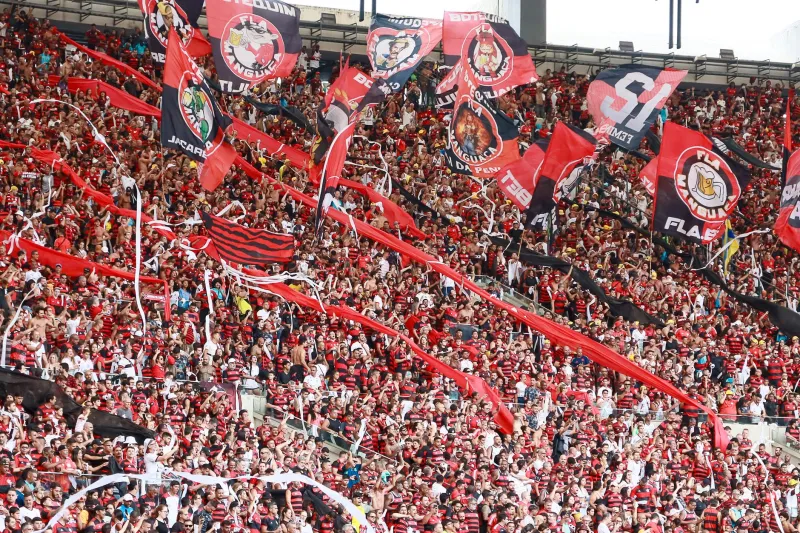
The intimacy of the stadium, the noise level, the visual spectacle of the supporters section — it creates a first-game experience that's genuinely hard to shake. And once that emotional hook is set, the path toward deeper commitment tends to be pretty short.
For Portland, the formula isn't complicated. Make people feel something real. Give them a community to belong to. Treat them like they matter. Then watch them invest — financially, emotionally, and permanently — in something green.
Once you're in, you're in. That's just how this works.