Stealing the Playbook: How Timbers Army Is Quietly Reshaping Fan Culture Across MLS
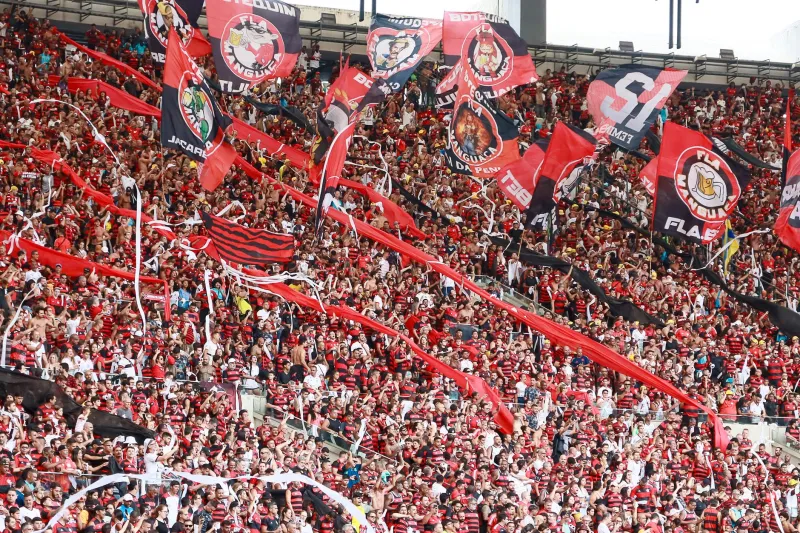
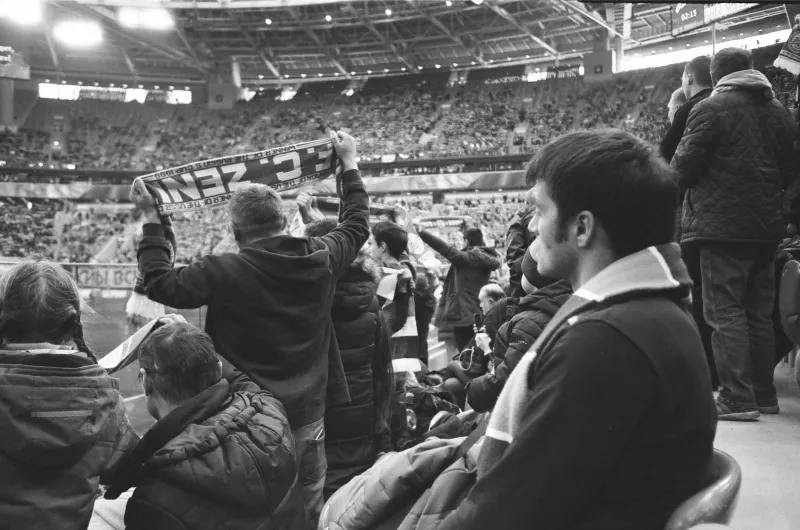
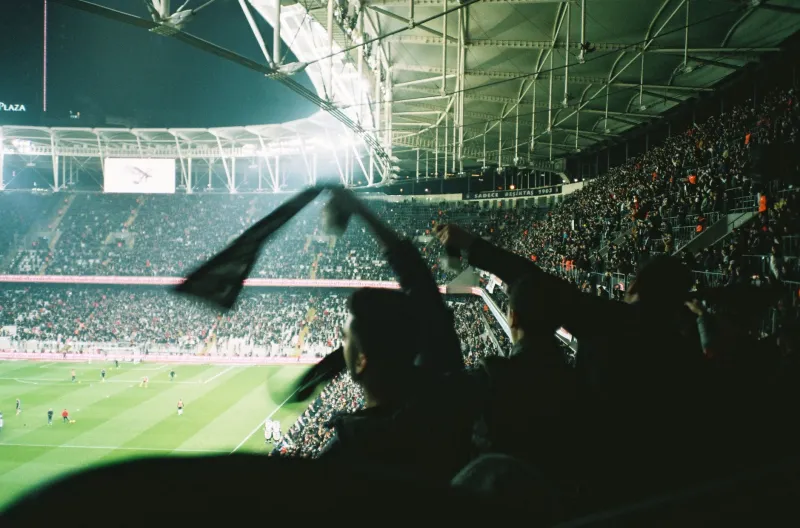
There's a moment that happens at MLS stadiums across the country that Portland fans would recognize instantly. The home end fills up early. Drums start before warmups. A tifo drops, the crowd loses its mind, and for a few seconds it feels less like a suburban soccer match and more like something that actually matters. That feeling didn't happen by accident — and it didn't start in those stadiums.
A growing number of supporters groups around the league will tell you, if you ask them directly, that they've spent serious time studying what Portland built. And a surprising number of front office executives will admit the same thing.
"We Literally Watched Their Videos"
Nick Reyes helps coordinate chants for a supporters group in the Midwest — he asked us not to name his city, joking that his front office would be embarrassed. But he was direct about where his group turned for inspiration when they were trying to level up their section a few years back.
"We spent hours on YouTube watching Timbers Army footage," he said. "The way they layer chants, how they build intensity across ninety minutes instead of just going hard for ten minutes and burning out — that's something we actively tried to copy. We even reached out to some TA members directly. They were incredibly generous with their time."
That generosity is apparently a theme. Multiple supporters group leaders across the league described Portland fans as unusually open to sharing their methods — tifo construction techniques, chant structures, coordination strategies between the capo and the broader section. In an environment where most clubs treat everything like proprietary information, Portland's fan community operates more like an open-source project.
The Front Office Angle
It's not just the fans taking notes. Several MLS clubs have sent staff members to Portland specifically to observe match day operations — how the club integrates the supporters group into stadium logistics, how Providence Park's layout reinforces the atmosphere, and how the organization communicates with Timbers Army leadership in a way that feels collaborative rather than adversarial.
One executive from an Eastern Conference club, speaking on background, put it bluntly: "Portland figured out that the supporters group isn't a problem to manage — it's an asset to invest in. That sounds obvious, but a lot of clubs still treat their ultras section like a liability. Portland proved you can build a commercial product around authentic fan culture instead of trying to sanitize it."
That shift in thinking has real business implications. Clubs that once kept their loudest fans at arm's length are now actively working to grow and formalize their supporter sections, often borrowing structural ideas from how Portland and Timbers Army have co-existed and co-built something over more than a decade.
The Cascadia Ripple Effect
Interestingly, the influence isn't limited to clubs trying to catch up. Even Seattle's Sounders supporters — no strangers to atmosphere themselves — have acknowledged the competitive pressure Portland creates when it comes to setting the standard for MLS fan culture. The Cascadia rivalry has functioned almost like a regional arms race for supporter excellence, and both clubs have pushed each other to raise the bar in ways that benefit the whole league.
"When you play in Cascadia, you can't phone it in," said one supporters group leader from Vancouver. "That culture of expectation — that showing up and being loud is the minimum, not the ceiling — I think that spread outward from the Pacific Northwest more than people realize."
What Can't Be Copied
Here's the thing though: plenty of clubs have tried to replicate the Portland experience, and most have fallen somewhere short of the original. The tactics can be borrowed. The infrastructure can be studied. But the organic history — the years of relationship-building between the club and its most passionate fans, the trust that developed through conflict and compromise — that's not something you can install in an offseason.
Timbers Army didn't become what it is because Portland's front office decided to create an atmosphere. It became what it is because a community of people cared deeply enough to build something real, and eventually the club was smart enough to get out of the way and let it grow.
That's the part of the playbook that's genuinely hard to steal. You can copy the drums. You can copy the tifos. But you can't manufacture fifteen years of identity.
What you can do — and what clubs around MLS are increasingly doing — is at least try to create the conditions for something like it to take root. And if they need a model to point to, they keep pointing at Portland.
Bleed green. The rest of the league is watching.