Roots Over Riches: Why Portland Timbers Players Keep Choosing Green Over the Money
Let's be honest — when a player gets a call from a club dangling a contract with more zeros than a phone number, the normal move is to pack your bags. That's just sports in 2025. The money talks, the loyalty walks, and everybody moves on.
Except, apparently, in Portland.
The Timbers have quietly become one of the strangest outliers in modern MLS roster management. While other franchises sprint toward splashy Designated Player signings and headline-grabbing transfer fees, Portland keeps doing something that seems almost quaint by comparison: keeping the guys they already have. And those guys? A lot of them are choosing to stay.
So what's actually going on in the Rose City?
It's Not Just About the Paycheck
To understand the Timbers' retention advantage, you have to start by throwing out the assumption that professional athletes are purely transactional. Sure, money matters — nobody's playing for free — but research in sports psychology has consistently shown that elite performers are motivated by a cluster of factors that go well beyond salary. Autonomy, belonging, purpose, and identity all play massive roles in where athletes want to build their careers.
Portland checks those boxes in ways most MLS cities simply don't.
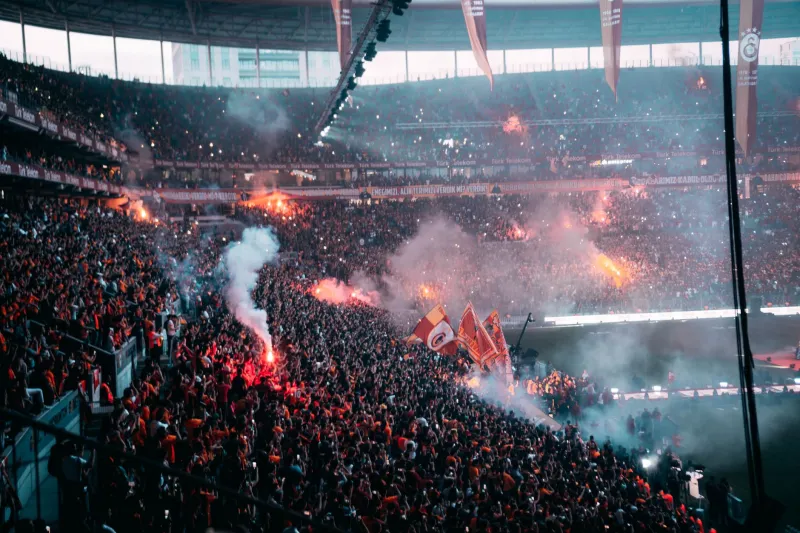
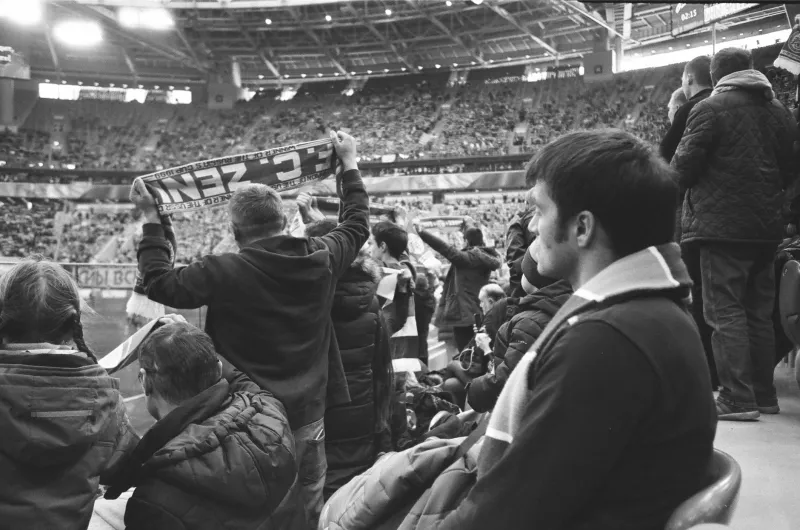
There's something genuinely different about showing up to work when 25,000 people are completely losing their minds over what you do. Providence Park isn't just a stadium — it's an atmosphere that players describe, over and over again, as unlike anything else in the league. When a midfielder says in a post-match interview that the crowd "carried" the team through a difficult second half, that's not a cliché. That's a guy telling you that where he plays actually matters to him on an emotional level.
And emotional investment, once it takes root, is incredibly hard to uproot.
The Community Factor Nobody Talks About Enough
Here's the part that tends to get glossed over in transfer window coverage: Portland does an exceptional job of integrating players into the actual city. Not just the soccer community — the city.
Timbers players show up at local events. They're regulars at Portland restaurants. Their kids go to school here. Their families put down roots. The organization actively facilitates that integration, connecting players with local businesses, nonprofits, and community initiatives in ways that create genuine ties to the place.
When you've spent three years building a life in a city — when your neighbors know your name, when your kids have a soccer team and a best friend down the street, when you've become part of a place rather than just passing through it — the calculus on a contract offer from somewhere else changes fundamentally.
You're not just weighing salary against salary anymore. You're weighing a life you've built against the uncertainty of starting over somewhere new.
The Long-Game Mentality
Portland's front office deserves real credit here, because this kind of retention culture doesn't happen by accident. It requires a long-term organizational philosophy that prioritizes stability over short-term headlines.
A lot of MLS clubs are still playing a reactive game — responding to market trends, chasing the next big signing, restructuring their identity every couple of years based on whoever the head coach is. Portland has been more deliberate. There's a consistency to how the club operates, how it communicates with players, and how it positions itself in the broader soccer landscape that gives athletes something rare: a sense of what they're signing up for.
Uncertainty is exhausting. Players who've bounced between clubs, dealt with coaching changes that wiped out everything they'd built, or watched front offices implode mid-season know exactly how valuable a stable, well-run organization actually is. Portland has earned a reputation as that kind of place, and reputation in the locker room network travels fast.
What the Timbers Army Brings to the Table
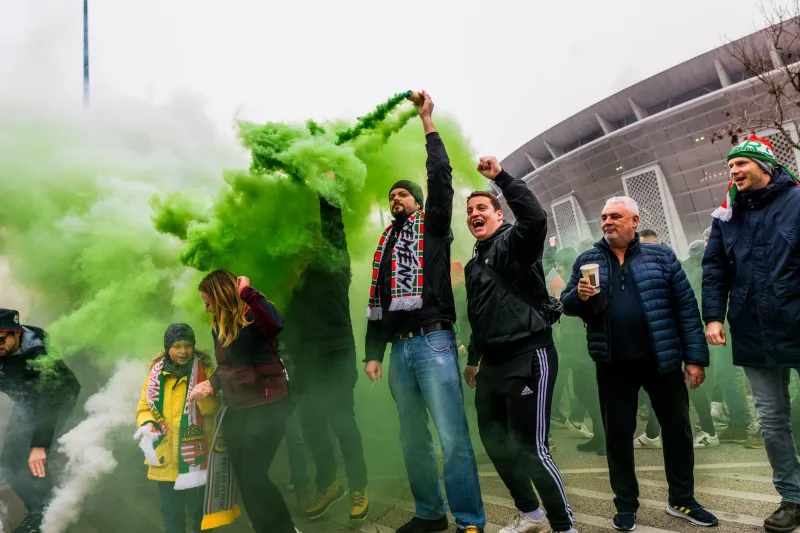
You can't write about Portland player retention without talking about the supporters. The Timbers Army isn't a fan section — it's a force of nature, and players feel it.
There's a particular kind of relationship that develops between athletes and supporters when the support feels genuine rather than transactional. Timbers Army doesn't love the jersey and tolerate the player — they invest in the person. They learn names, they follow careers, they show up in ways that make it clear this is about more than wins and losses.
For players coming from leagues or clubs where fan culture is more passive, arriving in Portland can be a genuinely transformative experience. Suddenly, what you do on the field has a weight to it. The connection feels real. And that feeling? It's addictive in the best possible way.
When contract renewal conversations happen, that factor sits in the room whether anyone acknowledges it or not.
What This Means for the Bigger Picture
Portland's approach has implications that extend well beyond the Timbers. American professional sports have spent decades operating under the assumption that maximum salary is the ultimate retention tool — that if you want to keep your best players, you simply have to outbid the competition.
The Timbers are quietly stress-testing that assumption.
What they're demonstrating is that culture, community, and organizational identity can function as genuine competitive advantages in the talent market. That building a place where athletes want to be — not just a place that pays them well — is a viable and potentially more sustainable strategy than simply throwing money at the problem.
This isn't revolutionary in theory. Sports executives have talked about "culture" as a buzzword for decades. But Portland is actually doing it, in a measurable way, with real outcomes in terms of roster continuity and player satisfaction.
Other clubs are starting to pay attention. They'd be foolish not to.
The Green Thread Running Through All of It
At the end of the day, what Portland has built isn't one thing — it's a hundred small things that add up to something bigger. It's the atmosphere at Providence Park. It's the community integration programs. It's the organizational consistency. It's the Timbers Army showing up with the same intensity in a midseason midweek match as they do in a playoff game.
It's a culture that tells players: you matter here, and this place will matter to you.
In an era of maximum salaries and global transfer markets, that might sound soft. But the results speak for themselves. Portland keeps the players other clubs want. And more often than not, those players keep choosing to stay.
That's not luck. That's the Timbers effect — and it's greener than ever.