Inside the Machine: How the Timbers Army Runs Like a Championship Organization
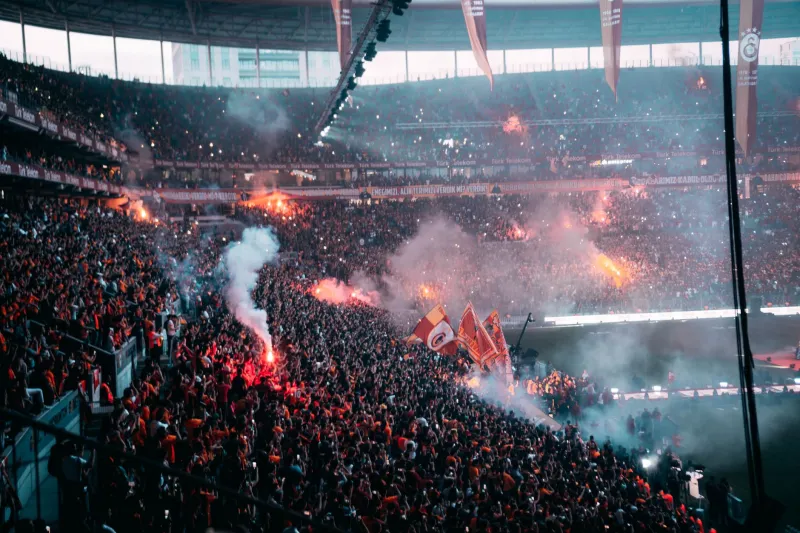
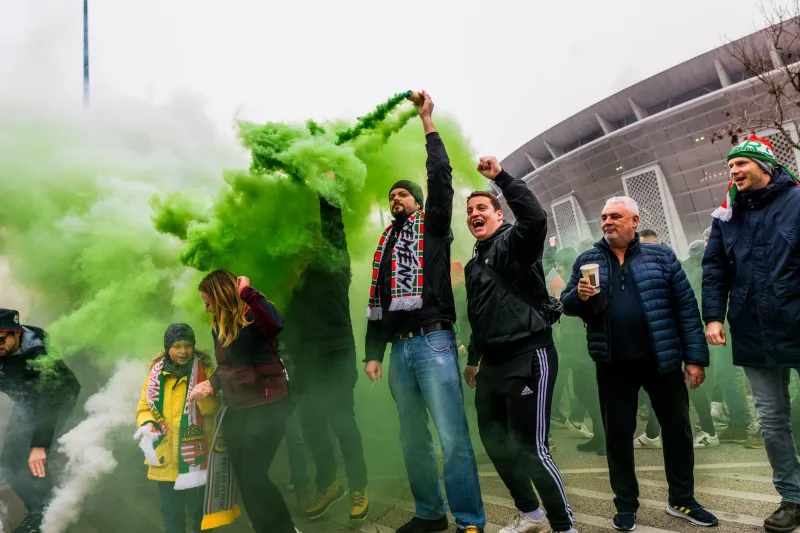
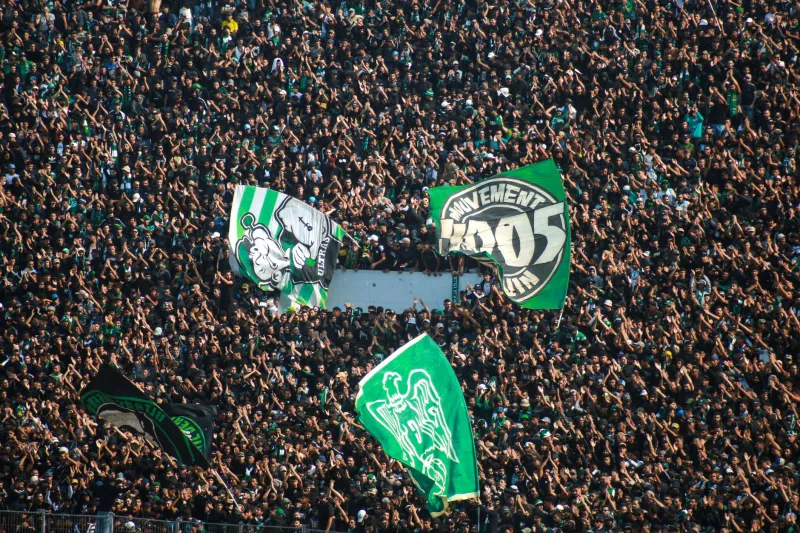
When that north end of Providence Park erupts on a match day — flags whipping, smoke filling the air, thousands of voices locked into the same chant at the same second — it looks like beautiful chaos. It isn't. Not even close.
What you're watching is the product of months of planning, a layered leadership structure, and a communication network that would make a corporate event planner genuinely nervous. The Timbers Army doesn't just show up loud. They show up organized. And that combination is exactly why supporter groups across North America keep studying them like a playbook.
The Bones of the Beast
At its core, the Timbers Army operates through a framework that balances democratic input with decisive leadership. There's an elected board that handles the big-picture stuff — finances, relationships with the club, official statements, and long-term direction. Beneath that, capo crews manage the in-stadium experience, coordinating the visual displays and leading the vocal sections. Then there are working groups: people dedicated specifically to tifo production, community outreach, travel coordination, and communications.
It sounds almost corporate, which is funny given how fiercely anti-corporate the supporter culture can feel from the outside. But that's the tension the Army has learned to live inside. Structure enables freedom. You can't pull off a 50-foot banner drop without someone having counted the bolts.
"People see the passion and think it's spontaneous," said one longtime capo who's been in the north end since the early MLS days. "The passion is real. But the execution? That's a lot of group chats, a lot of late nights in parking lots cutting fabric, and a lot of trust in the people next to you."
How Tifos Actually Get Made
The tifo process alone is a masterclass in project management. It typically starts months before the match. A concept gets floated — sometimes from the board, sometimes from a random member who posts an idea in the right channel — and from there it moves through a design phase, a materials phase, and finally a construction phase that can involve dozens of volunteers working in shifts.
Fabric gets sourced, usually in bulk. Designs get scaled up to stadium dimensions, which means what looks clean on a laptop screen has to translate across hundreds of square feet of painted material. Sections are assigned to specific people. Transport logistics get mapped out. And all of it has to be kept quiet enough that the reveal on match day actually lands.
The secrecy piece is something the Army takes seriously. Leaks kill the moment. So information gets compartmentalized — not everyone working on a tifo knows what the final image looks like until the pieces come together. It's a bit like assembling a puzzle where only a handful of people have seen the box.
Capos: The Conductors of the North End
If the board is the brain of the operation, the capos are the heartbeat. These are the people standing on the barriers, arms moving, directing thousands of fans through chants and songs in real time. It's a skill that takes years to develop and a personality that's equal parts performer and traffic controller.
The capo rotation has evolved significantly as the Army has grown. In the early days, it was informal — whoever grabbed the megaphone and had the energy. Now there's a more intentional process for bringing new capos up through the ranks, mentoring them on timing, reading the crowd, and knowing when to push and when to let a moment breathe.
"You're not just leading a chant," one veteran capo explained. "You're managing the emotional energy of an entire section. Sometimes the crowd needs to be pushed. Sometimes they're already there and you just need to get out of the way."
Managing Growth Without Losing the Soul
One of the genuine challenges the Army has faced over the past decade is scale. When a supporter group goes from a few hundred hardcore fans to a movement that influences how MLS thinks about fan engagement, growing pains are inevitable.
New members bring energy but don't always know the songs. Casual fans want to participate but aren't sure where they fit. And the original core — the people who were there before the stadium upgrades and the national media attention — sometimes feel the culture slipping away from them.
The Army's answer to this has been intentional onboarding. There are resources for new members to learn the chants before they set foot in the stadium. There are mentorship-style relationships built into the section structure so newer fans have someone to follow. And there's a cultural emphasis on teaching rather than gatekeeping — the goal is to bring people in, not keep them out.
"We're not a secret club," said one board member. "We want everyone who walks into that north end to feel like they belong there. But belonging means learning the culture, not just wearing the scarf."
The Communication Infrastructure
Coordinating thousands of people across a match day requires more than enthusiasm. The Army runs a layered communication system that includes internal forums, messaging apps, email lists, and in-person coordination meetings. Different tiers of the organization have access to different channels, which helps keep sensitive planning details from going wide while still keeping the broader membership informed and engaged.
On match day itself, there's a physical coordination layer too — designated people stationed at key points in the section who can relay signals from the capos and help manage movement, flag distribution, and any last-minute adjustments to the visual display plan.
Other supporter groups from across MLS and beyond have made pilgrimages to Portland specifically to understand how this infrastructure works. Some have tried to copy it directly. Most have found that the system only works because of the culture that surrounds it — the trust, the shared history, the genuine belief that the Army is something worth protecting.
Why It Matters Beyond Portland
The Timbers Army isn't just a fan club. At this point, they're a case study in what organized supporter culture can look like when it's taken seriously. They've shown that a group of fans can operate with genuine sophistication — financially, logistically, culturally — without losing the raw emotion that makes supporter sections worth being in.
For other MLS markets still figuring out how to build something lasting, Portland is the benchmark. Not because they have the biggest stadium or the most money, but because they built something with actual bones. Something that can absorb new members, survive losing seasons, and still fill that north end with noise that makes visiting teams genuinely uncomfortable.
That's not an accident. That's the machine working exactly the way it was built to work.