Rose City's Ripple Effect: How Portland Rewrote the MLS Expansion Rulebook
There's a checklist sitting somewhere in MLS headquarters. It's not official. Nobody's going to hand it to you in a press conference. But talk to enough league insiders, city planners, and soccer analysts, and the same document starts to take shape — a loose but very real set of criteria that now governs how Major League Soccer evaluates potential expansion markets. And at the top of that document, written in invisible green ink, are two words: Be Portland.
The Timbers didn't just build a winning club. They built a template. And over the last decade, that template has quietly but fundamentally reshaped how MLS thinks about growth.
What Portland Actually Did — and Why It Was Different
When Portland entered MLS in 2011, the league had already seen plenty of fan enthusiasm come and go. Big markets with big promises had underdelivered. Fancy new stadiums sat half-empty. The formula wasn't working the way league executives had hoped.
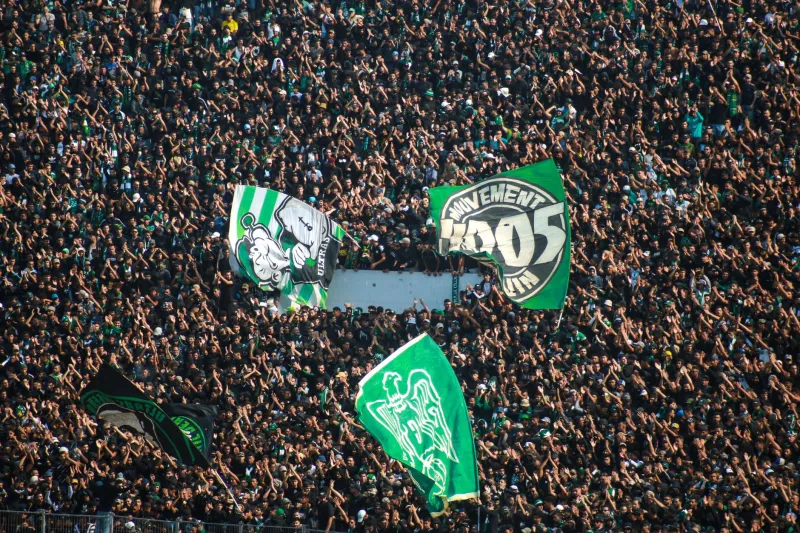
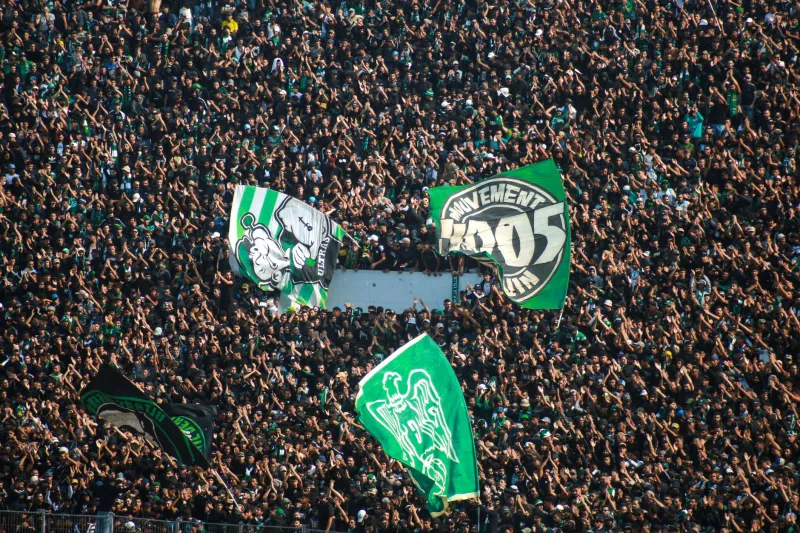
Portland did something different, and honestly, it wasn't even totally intentional at first. The Timbers didn't manufacture their fan culture — they inherited it. The club had decades of lower-division history baked into its identity before the MLS era even started. The Timbers Army, the supporter group that now fills Providence Park's north end with coordinated noise and elaborate tifos, wasn't assembled by a marketing team. It grew organically from a community that had already decided soccer was theirs.
That distinction matters enormously. MLS had plenty of experience with fan enthusiasm that was purchased or manufactured. What Portland demonstrated was something the league hadn't fully seen at scale in North America: earned culture. And earned culture, it turns out, is a lot more durable.
The Metrics That Made Executives Pay Attention
Portland's season ticket waiting list became something of a legend in MLS circles. At its peak, tens of thousands of fans were sitting on that list — not because a marketing campaign told them to, but because being a Timbers season ticket holder had become a genuine status symbol in the city. Parents were putting their kids on the list at birth. That's not a sports business story. That's a cultural story.
League analysts started paying close attention to what was driving those numbers. What they found wasn't just good soccer — it was deep community integration. The Timbers had become woven into Portland's identity in a way that few American sports franchises achieve. Local businesses flew green flags. Neighborhood bars structured their entire weekend schedules around match days. The club wasn't just playing in Portland; it was Portland in a very real sense.
For MLS executives evaluating new markets, that integration became the new benchmark. Market size and media revenue still matter — they always will — but the league started asking a different first question: Does this city already have a soccer soul?
What the New Checklist Actually Looks Like
Talk to people close to MLS expansion decisions and a few Portland-inspired criteria keep coming up.
Existing supporter infrastructure. Before Portland, MLS expansion pitches leaned heavily on wealthy ownership groups and stadium plans. Those still matter, but the league now looks hard at whether a city already has organized supporter groups — real ones, with history and identity — before a top-flight club ever arrives. Cities that can demonstrate grassroots fan organizations get a serious bump in evaluation.
Stadium integration, not isolation. Providence Park is a neighborhood stadium. It sits inside Portland's urban fabric, walkable from transit, surrounded by bars and restaurants and apartment buildings. The experience of attending a Timbers match starts blocks away from the turnstiles. MLS has become increasingly skeptical of suburban stadium proposals that require driving and parking — the Portland model has shown that urban integration drives engagement in ways that isolated venues simply can't replicate.
Youth development pipelines. Portland's academy system has become one of the most respected in the country, and MLS now treats youth development infrastructure as a serious expansion criterion. A city that already has competitive youth soccer programs, club systems, and coaching pipelines is a city that can sustain a top-flight club long-term. The league is no longer interested in parachuting a franchise into a soccer vacuum.
Multicultural soccer communities. Portland's soccer roots run through immigrant communities that brought the game with them. That diverse base gave the club authenticity that money couldn't buy. MLS expansion teams are now actively evaluated on whether the target city has existing multicultural soccer communities that can form the cultural foundation of a new club.
Cities Doing Their Portland Homework
The evidence that Portland's model is being actively studied shows up in how newer and potential expansion markets are positioning themselves. San Diego's expansion pitch leaned heavily on its deep soccer culture and cross-border ties to Tijuana — a very Portland-esque argument about organic community connection. Indianapolis, Sacramento, and other emerging markets have all made pointed references to supporter culture and community integration in their MLS courtship efforts.
Sacramento Republic's path to MLS was practically a Portland case study. The club spent years in the lower divisions building genuine fan culture before landing a top-flight deal. League insiders weren't shy about noting that the Sacramento model — patient, community-first, supporter-driven — looked a lot like what Portland had done a decade earlier.
Even established MLS clubs are retrofitting their strategies. Teams that built their brands around star players or big-budget spectacle are quietly investing in supporter culture infrastructure, youth academies, and community programming. The Portland effect isn't just shaping expansion — it's pushing existing franchises to rethink their foundations.
The Thing That Can't Be Copied
Here's the part that keeps MLS analysts up at night: the most important thing Portland did cannot be manufactured on a timeline. You can build an urban stadium. You can fund a youth academy. You can hire community outreach staff and invest in supporter group development. But you cannot schedule the moment when a city decides a soccer club is part of its identity.
That moment happened in Portland over years and decades, through lower-division seasons and scrappy supporter groups and neighborhood bars that kept the faith when nobody outside the Pacific Northwest was paying attention. The Timbers Army didn't become iconic because a branding consultant told them to. They became iconic because they were real.
Every city chasing the Portland model has to reckon with that eventually. The checklist is useful. The criteria matter. But what made Portland work was something that preceded all of it — a community that genuinely, deeply, almost stubbornly loved its soccer club before the soccer club gave them much reason to.
MLS can tell cities to check the boxes. What it can't do is tell them to mean it.
Portland meant it. That's why everyone else is still taking notes.