Blueprint in Green: The Portland Development Philosophy That's Forcing MLS to Evolve
There's a phrase that keeps coming up when you talk to people inside MLS front offices: "the Portland way." You hear it from scouts in Dallas. You hear it from coaching directors in Atlanta. You hear it from player development consultants who spend their weeks bouncing between training facilities from coast to coast. Nobody says it with resentment — at least not openly — but there's a quiet acknowledgment tucked inside those three words that something genuinely different is happening in the Rose City.
And it's been happening long enough that the rest of the league can't afford to look away anymore.
More Than a Conveyor Belt
The easy story is that Portland has a good academy. Lots of clubs have good academies. What separates the Timbers' system isn't just the quality of players coming through — it's the coherence of the philosophy threading through every level of the organization.
"Most academies operate in silos," one Western Conference scouting director told us, asking not to be named because he wasn't authorized to speak publicly. "You've got your U-15 coach doing one thing, your U-17 coach doing something slightly different, and by the time a kid gets to the first team, he's been taught four or five different systems. Portland figured out a long time ago that the philosophy has to be vertical. It runs from the youngest age groups all the way up to the senior squad."
That vertical alignment — where positional principles, pressing triggers, and technical expectations are consistent across every age group — means players arriving at the professional level aren't starting from scratch. They already speak the language. The translation period that burns months of development time at other clubs is dramatically compressed in Portland.
The Evaluation Shift
Talent evaluation is where the Timbers' influence gets really interesting. Traditional MLS scouting leaned heavily on physical metrics — speed, size, athleticism. Portland started asking different questions earlier than most. Cognitive processing speed. Decision-making under pressure. Coachability as a measurable trait rather than a vague character reference.
"They were tracking stuff that the rest of us weren't even considering as data points," said a youth development consultant who has worked with three MLS clubs over the past decade. "Not just 'can this kid run fast' but 'how quickly does he read the game, and does he adjust when the environment changes?' That's a harder thing to scout, but it predicts professional success way better than a 40-yard dash time."
The ripple effect has been significant. At least four MLS clubs — sources confirm Atlanta United, FC Dallas, the LA Galaxy, and NYCFC are among them, though none would go on record — have quietly restructured their evaluation criteria in the last three years, borrowing frameworks that trace back, directly or indirectly, to Portland's methodology.
Coaching Culture as a Competitive Advantage
Here's something that doesn't get talked about enough: Portland treats its academy coaching staff like they matter. That sounds obvious, but in practice, youth coaching roles across American soccer have historically been underpaid, undervalued, and treated as stepping stones rather than destinations.
The Timbers changed that calculus internally. Investing in coaching education, creating genuine career pathways within the organization, and building a staff culture where ideas travel upward — not just downward — has produced a coaching environment that attracts serious soccer minds who might otherwise have headed to Europe.
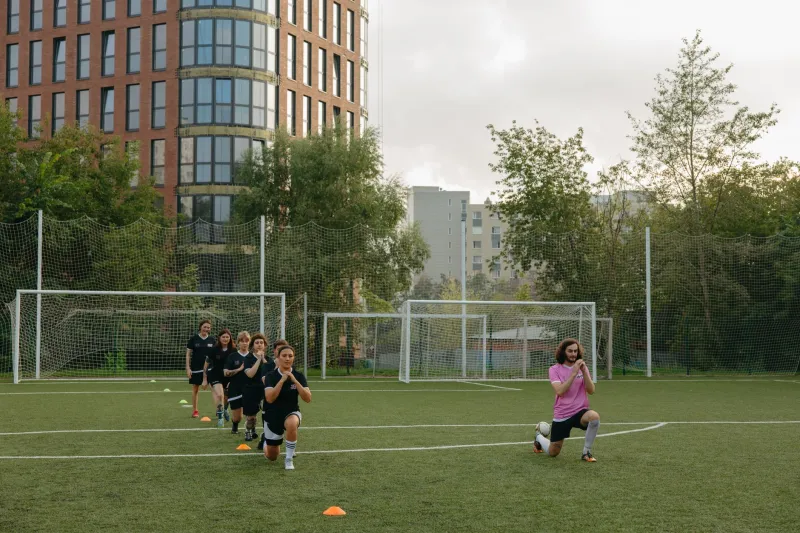
"You can feel the difference when you visit their training facility," said one coaching director from an Eastern Conference club. "The academy coaches aren't just babysitters. They're engaged, they're sharp, and they're clearly in communication with the first team staff. That kind of organizational buy-in is really hard to manufacture."
Some clubs have tried to replicate it by simply poaching Portland-connected coaches. Results have been mixed. The coaches themselves will tell you that the system works because of the culture around it — pull one piece out and transplant it somewhere the soil isn't prepared, and it doesn't take root the same way.
Who's Getting It Right — And Who's Struggling
Among the clubs making genuine progress with Portland-inspired models, St. Louis City SC comes up frequently. As a newer expansion club, they had the advantage of building from scratch without legacy structures to dismantle. Their early investment in a cohesive development philosophy — and their willingness to be patient with it — has drawn comparisons to how Portland laid its own groundwork in the early years.
Seattle, predictably, has its own strong system, and the Cascadia rivalry extends into development philosophy debates among scouts who follow both clubs closely. The Sounders have historically leaned more on recruitment over development, though there are signs that's shifting.
On the struggling side? Several established Eastern Conference clubs are caught in an awkward middle ground — they've acknowledged that their old models aren't working, they've made some structural changes, but they haven't committed fully enough to see results. "Half-measures don't work in development," one source said bluntly. "You can't install a Portland-style philosophy on top of an existing culture that doesn't support it and expect it to function. It's like putting a new engine in a car with a broken transmission."
What It Means for the League
Zoom out and the bigger picture is genuinely exciting for American soccer. Portland's influence is pushing MLS toward a higher collective standard of development — which means more domestically produced talent, better-prepared players entering the professional game, and ultimately a stronger national team pool.
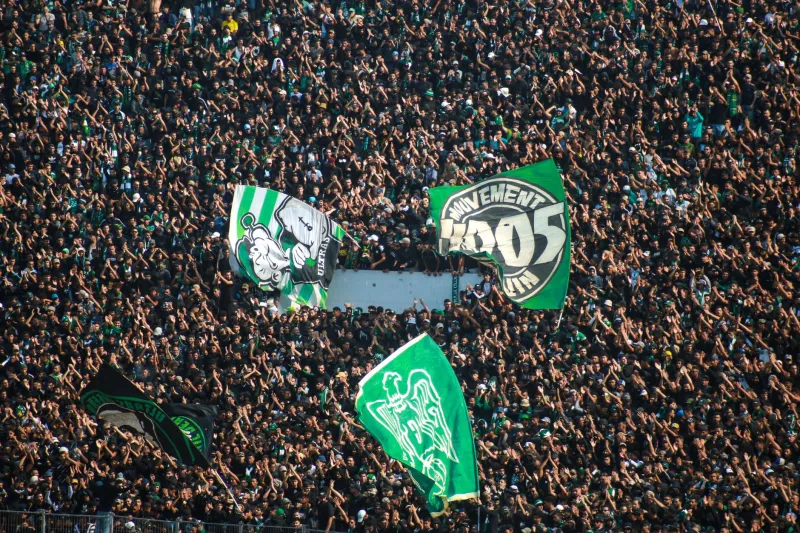
For Timbers fans, there's a particular satisfaction in knowing that what's happening at Providence Park isn't just building a competitive club — it's shaping the sport at a structural level. The culture that packed those stands in the early days, that demanded excellence and authenticity, helped create an organizational environment where this kind of serious, long-term thinking could thrive.
The rest of the league is taking notes. And honestly? Portland should take that as the ultimate compliment.
Bleed green. The blueprint is yours.