Patience, Purpose, and Trophies: What American Sports Can Learn from the Portland Way
There's a familiar playbook in American professional sports. You tank for draft picks, you overpay for a star, you blow up the roster when things go sideways, and you start the whole cycle over again. Fans get strung along. Cities get burned. And somewhere in the wreckage, the front office talks about "building toward something."
Portland said no thanks.
What the Timbers have constructed over the past decade-plus isn't just a competitive soccer club — it's a full-on rebuke of the short-term, win-at-all-costs mentality that defines so much of American professional sports. And as other franchises continue to stumble through the same tired cycles, more and more people across the sporting landscape are quietly pulling up a chair and taking notes on what's happening in the Rose City.
The Problem with the American Sports Default
Let's be honest about what "winning" has traditionally meant in this country. It means championships, full stop. The journey doesn't matter. The culture doesn't matter. The community around the team doesn't matter — not really, not when the front office is under pressure to produce a ring.
That obsession has produced some legendary moments, sure. But it's also produced a landscape littered with franchises that have burned through coaches, alienated fan bases, and treated their cities like ATMs rather than communities. Think about how many NFL, NBA, or MLB teams have made blockbuster moves that looked great on paper and collapsed spectacularly in practice. The win-now pressure creates short-sighted decisions, and short-sighted decisions create dysfunction.
Portland looked at that model and essentially said: there has to be a better way.
What "Sustainable Success" Actually Looks Like
The Timbers' approach isn't complicated, but it does require something most American sports organizations genuinely struggle with — patience.
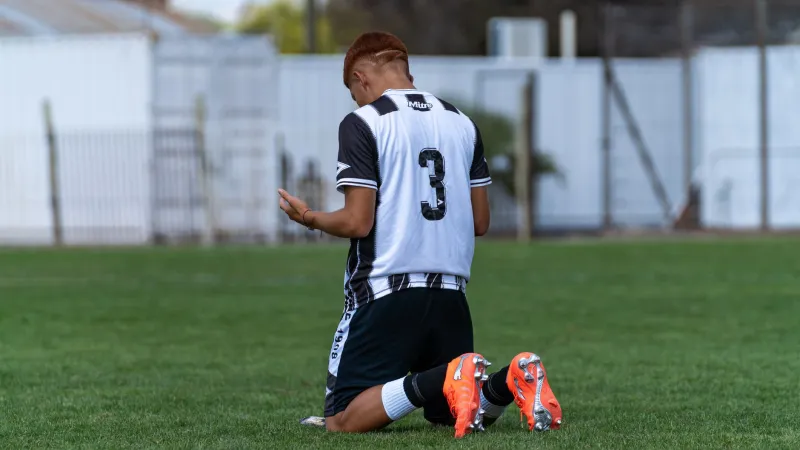
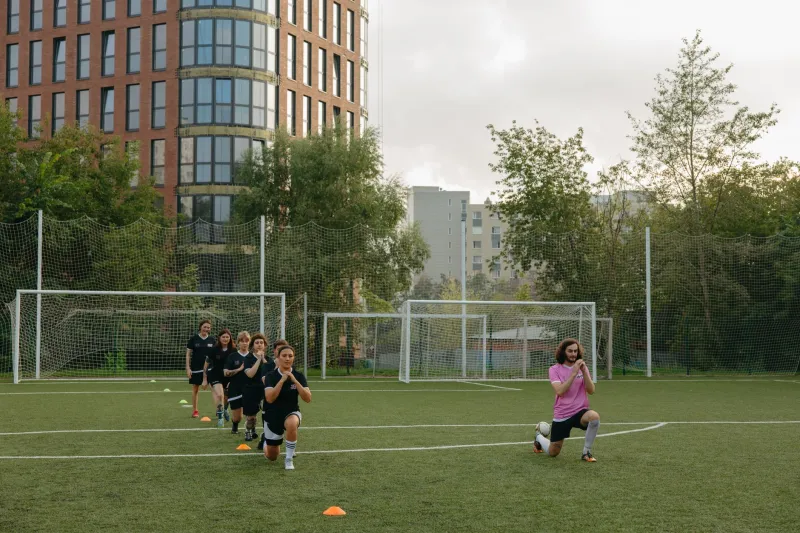
It starts with player development. Rather than constantly chasing expensive marquee signings to paper over structural weaknesses, Portland has invested heavily in identifying and developing talent over time. The academy pipeline isn't just a feel-good story; it's a strategic asset. Players who come up through the Portland system understand what the club stands for before they ever step onto the pitch at Providence Park.
That identity piece matters more than most casual sports fans realize. When an organization has a clearly defined culture — a set of values that isn't just a slogan on the wall but something players, staff, and fans actually live — it creates a stability that money alone can't buy. Coaches change, rosters turn over, but the culture remains. And culture, it turns out, is a pretty solid foundation for sustained success.
The 2015 MLS Cup run didn't happen because Portland went out and bought a championship. It happened because years of investment — in people, in process, in community — finally crystallized into something special on the field.
Community as Competitive Advantage
Here's the part that really separates Portland from the pack: they treat community investment not as a PR exercise, but as a genuine competitive strategy.
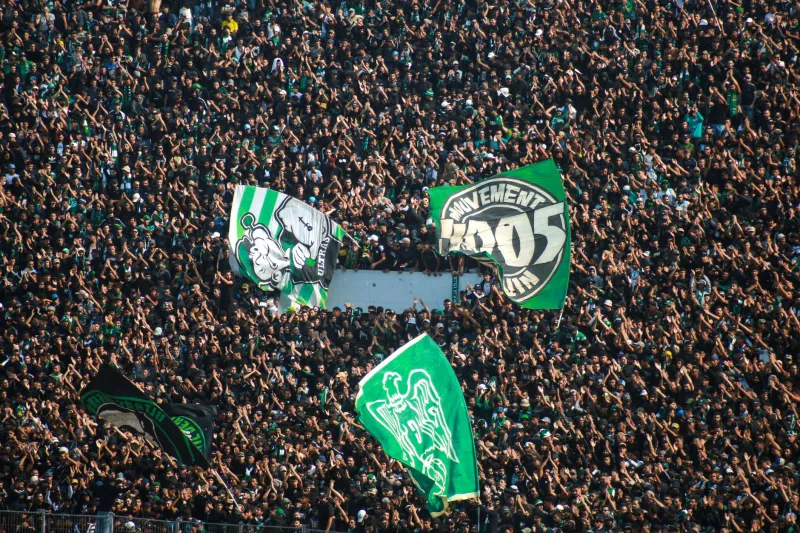
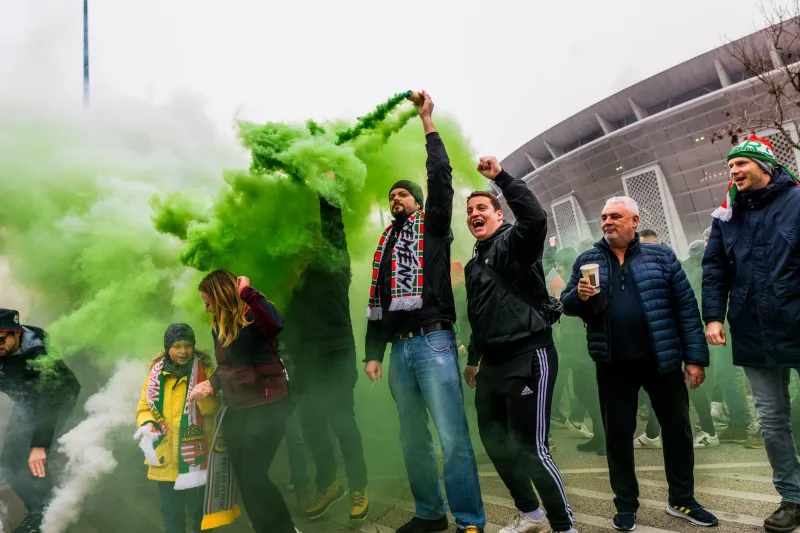
When your fan base is as deeply connected to the club as the Timbers Army is, something interesting happens. The stadium becomes an actual home-field advantage, not just a talking point. Players want to come here. Players want to stay here. The atmosphere at Providence Park on a match night isn't just loud — it's meaningful. There's an emotional weight to it that you don't manufacture with a marketing campaign.
For comparison, think about how many franchises in this country have beautiful, expensive arenas that sit half-empty on a Tuesday night because fans have checked out. That disconnect between a team and its city is the direct result of prioritizing short-term wins over long-term relationship building. Portland has never made that mistake.
The Timbers are woven into the identity of this city in a way that transcends a good season or a bad one. That kind of loyalty is priceless, and it feeds back into the organization in ways that are hard to quantify but impossible to ignore.
The Lessons Other Teams Keep Missing
So why aren't more franchises copying this model? Honestly, it comes down to ownership patience and front office courage.
The Portland approach requires accepting that you might not win a title in year three or year four. It requires trusting a process even when critics are calling for change. It requires making decisions based on long-term organizational health rather than short-term optics. In the American sports media environment — where takes are hot and attention spans are short — that's genuinely hard to do.
It also requires a willingness to invest in things that don't show up immediately in the standings. Mental wellness infrastructure. Deep community programs. Youth development pipelines. These aren't glamorous investments. They don't generate headlines. But they build the kind of organizational foundation that holds up under pressure.
The franchises that are struggling right now — and there are plenty of them across every major American sport — aren't failing because they lack talent. Most of them have talent. They're failing because they've never taken the time to build something real underneath the talent. When the stars leave or get hurt or underperform, there's nothing holding the whole thing together.
Portland doesn't have that problem.
What Winning Really Means
Here at PTFC Nation, we've watched this club grow from a passionate regional experiment into a genuine model for how a sports organization can operate. And what strikes us most isn't the trophies — though those are great — it's the consistency of the thing.
Year after year, regardless of results, Portland remains one of the most respected organizations in MLS. Players talk about it differently. Coaches talk about it differently. Even rivals talk about it differently. There's a recognition, earned over time, that this club does things the right way.
That reputation is the real trophy. It's what attracts quality people. It's what keeps fans engaged through the tough stretches. It's what makes the highs — like a cup run, like a packed house on a rainy October night — feel genuinely earned rather than just purchased.
American sports is slowly waking up to the idea that there's more than one definition of winning. Portland didn't wait for that conversation to start. They just went ahead and proved the point.
The rest of the country is still catching up. Bleed green.