Feeling Green: Inside Portland's Groundbreaking Approach to Player Mental Wellness
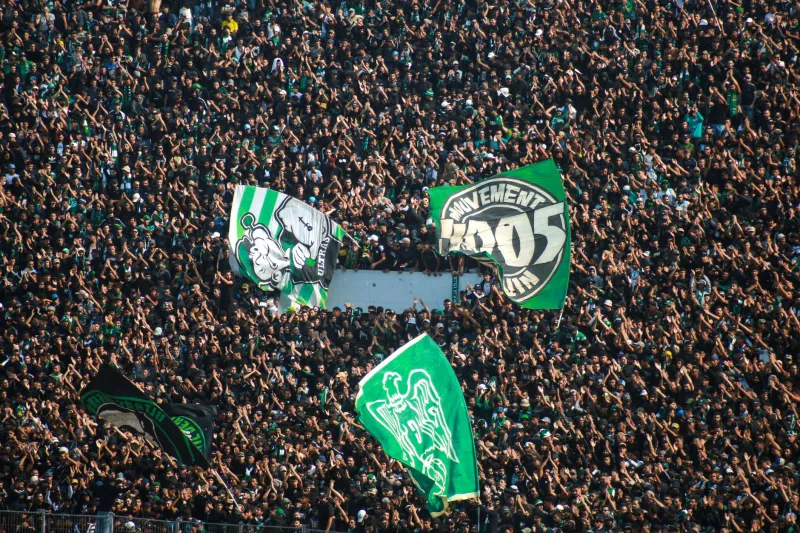
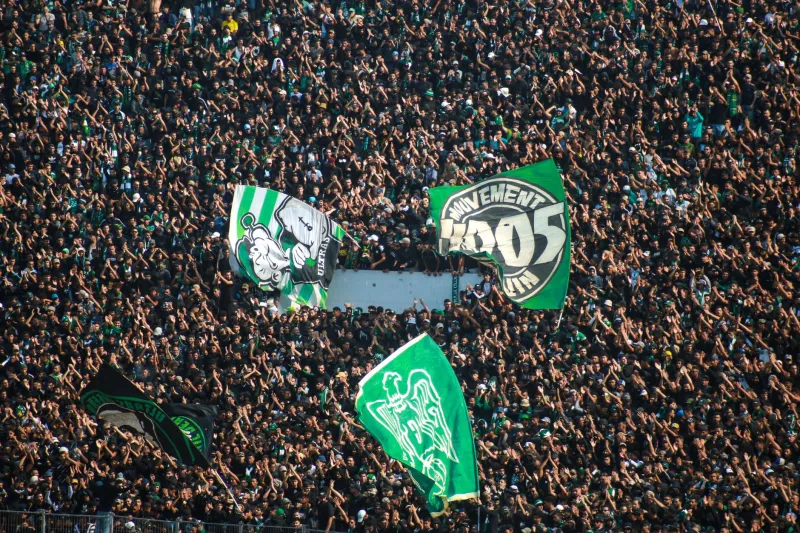
There's a moment that happens at Providence Park that you don't see anywhere else in MLS. A player has a rough game — misses a key touch, gives up a goal, gets subbed off early — and instead of a chorus of boos raining down, the Timbers Army rallies. Scarves go up. Chants get louder. The stadium doesn't turn on its own. It leans in.
That's not an accident. And it turns out, it matters way more than anyone gave it credit for.
Over the past several years, the Portland Timbers organization has been quietly building one of the most comprehensive player wellness frameworks in North American soccer. It goes well beyond the usual team therapist tucked into the back of the training facility. What's happening in Rose City is a full-blown cultural shift — one that other MLS front offices are starting to take very, very seriously.
More Than a Locker Room Pep Talk
Mental health in professional sports has come a long way from the "just shake it off" era. Across the major American leagues, teams are finally acknowledging that psychological well-being is as critical to performance as fitness or tactics. But Portland has taken that baseline understanding and pushed it several steps further.
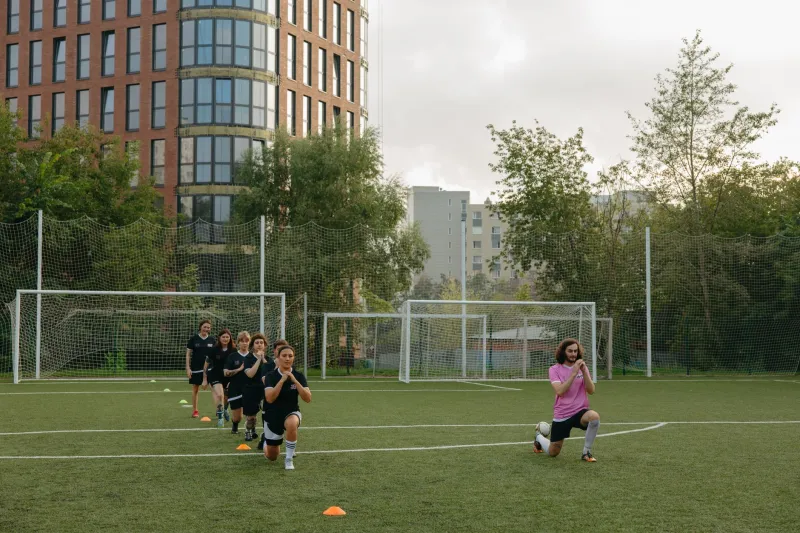
The club has invested in embedded sports psychology staff — professionals who aren't just available on request but are woven into the daily rhythm of training. They sit in on film sessions. They're present at practice. They build relationships with players before a crisis hits, not after. The idea is simple but powerful: normalize the conversation so that asking for help doesn't feel like admitting weakness.
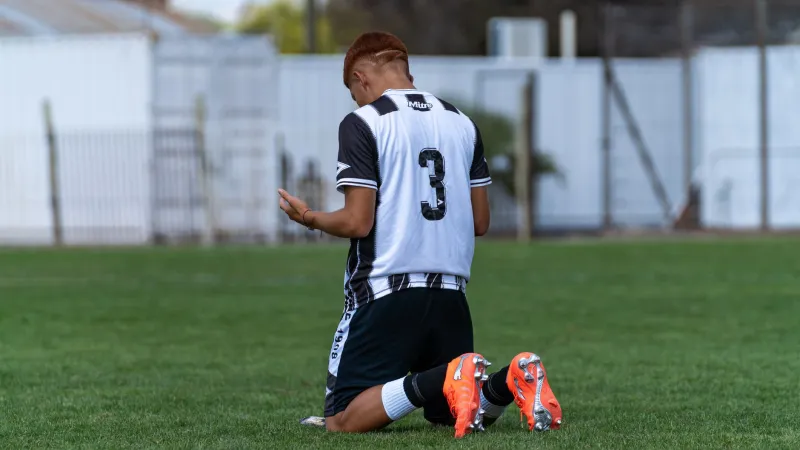
For a lot of players — especially younger ones coming up through the academy or arriving from abroad — that kind of proactive support is genuinely new territory. And in a league where mental fatigue, homesickness, and performance anxiety are real and constant pressures, having that infrastructure in place is a difference-maker.
The City as a Support System
Here's where Portland gets really interesting, and honestly, a little hard to replicate anywhere else.
Rose City has a soccer culture that functions almost like an extended family for players. The Timbers Army isn't just loud — it's loyal in a way that actually creates psychological safety for the guys on the field. Players have talked openly about how different it feels to play at Providence Park compared to other venues. There's a sense that the crowd is with them, not just watching them.
That emotional buffer matters. Sports psychologists will tell you that one of the biggest drivers of performance anxiety is the fear of public failure. When your home crowd is the kind that shows up for you regardless of the scoreline, that fear gets quieter. It doesn't disappear — but it gets quieter. And in a sport decided by fine margins, quieter is huge.
Beyond the stadium, Portland itself plays a role. The city's culture — outdoor-focused, community-oriented, genuinely weird in the best way — gives players a place to decompress that doesn't revolve entirely around soccer. Hiking trails, coffee shops with actual personality, a food scene that can hold its own against any major market. Players who've relocated here talk about how the city helps them feel like a full person, not just an athlete.
What the Scouts Are Noticing
Here's the competitive angle that front offices around the league are starting to whisper about: Portland's wellness culture is becoming a recruiting asset.
When agents are shopping players and those players have options, the conversation increasingly includes quality of life and organizational culture — not just salary and playing time. Portland's reputation for genuinely caring about its players' mental and emotional health is getting around. Word travels fast in the soccer world, and the Timbers have built a reputation as a place where the organization actually has your back.
That's not nothing. In a league with a salary cap where every dollar has to work hard, having a built-in culture advantage that costs relatively little to maintain is the kind of edge that compounds over time. You attract players who are mentally bought in. Those players perform better. Better performance builds more winning culture. Winning culture attracts more players who want that environment.
It's a flywheel. And Portland got it spinning earlier than most.
The Accountability Loop
What makes Portland's approach sustainable — rather than just a feel-good headline — is that it's tied directly to accountability structures within the organization. The mental wellness programs aren't separate from performance goals; they're integrated into them.
Coaches and staff are trained to recognize signs of psychological strain and to respond in ways that don't inadvertently shame players for struggling. There's a clear internal language around mental health that makes it easier for everyone — from veterans to rookies — to communicate about what they're experiencing without it becoming a locker room stigma.
That kind of organizational fluency doesn't happen overnight. It's the result of deliberate investment, buy-in from leadership, and a willingness to keep refining the approach based on what's actually working.
What Other Clubs Are Watching
It would be naive to think Portland is operating in a vacuum. MLS is a league that copies what works — that's always been true. And right now, there are definitely people in other front offices paying close attention to what's happening in the Pacific Northwest.
The challenge for those clubs is that you can't just copy the programs without the culture. You can hire a sports psychologist. You can build out a wellness curriculum. But you can't manufacture a fanbase that behaves like the Timbers Army. You can't manufacture a city that feels like Portland feels to the people who live there. Those things are earned over decades.
What you can do is take the philosophy seriously — the idea that a player who feels genuinely supported as a human being will give you more on the field than one who's grinding through psychological isolation. That lesson is portable, even if the full Portland package isn't.
Bleeding Green, Living Better
At PTFC Nation, we talk a lot about what makes this club different. The tifos, the chants, the history, the culture. But this might be the piece that matters most going forward — the idea that Portland is building a place where players don't just come to compete, they come to thrive.
That's good for the guys on the field. It's good for the club's long-term competitiveness. And honestly? It's good for the game.
Bleed green. Live the game. And take care of each other out there.