Green Means Money: How the Timbers Turned Portland Into a Soccer-Powered Economic Machine
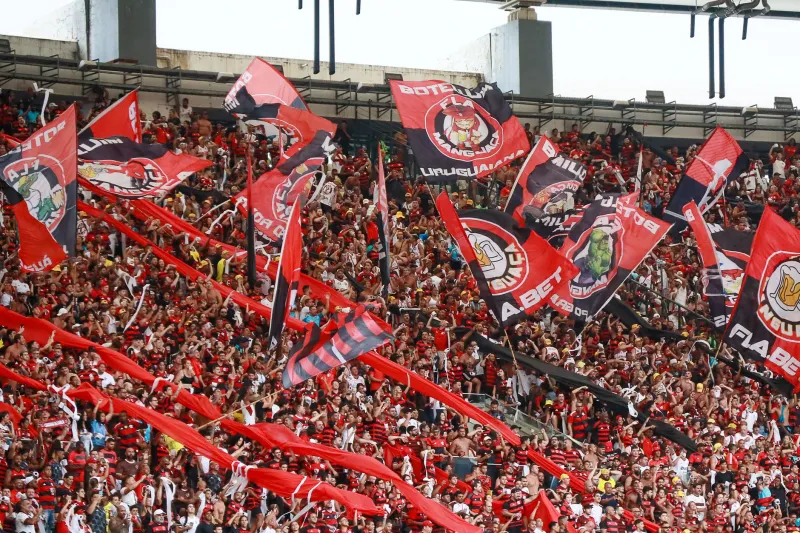
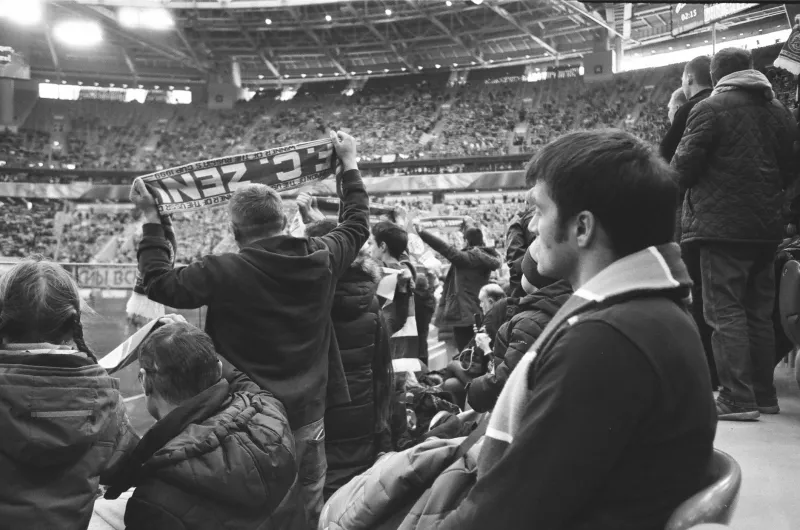
There's a moment every matchday when you can feel it — that low hum building through the Goose Hollow neighborhood as thousands of green-clad fans stream toward Providence Park. The drums. The scarves. The smell of food carts doing record business. It feels like a party, and it is. But underneath all that beautiful chaos, something bigger is happening. Portland's soccer club isn't just winning games. It's reshaping the city's economic landscape in ways that would have seemed absurd back when the Timbers were still playing in the second division.
Let's talk about what a soccer team actually does to a city — not in the abstract, feel-good sense, but in the dollars-and-cents, property-tax, small-business-survival sense.
The Neighborhood Effect: Real Estate and the Providence Park Pull
Ask any real estate agent working the southwest Portland corridor and they'll tell you the same thing: proximity to Providence Park has become a genuine selling point. Neighborhoods like Goose Hollow, Northwest District, and even parts of the Pearl have seen sustained property value growth that tracks closely with the Timbers' rise in MLS prominence.
A study conducted by economists at Portland State University found that residential properties within a half-mile radius of a major sports venue in mid-sized American cities experience valuation bumps of anywhere from four to nine percent compared to comparable neighborhoods further out. Portland's numbers land comfortably in that range — and in some blocks, exceed it.
"When I'm showing a place near the stadium, I don't hide that it's close to Providence Park — I lead with it," says one Portland-area realtor who's been working the westside market for over a decade. "There's a buyer profile now — young professionals, transplants from bigger cities — who specifically want that walkable, game-day energy as part of their lifestyle. Ten years ago, that wasn't really a conversation."
The stadium renovation completed in 2019, which added a roof and expanded capacity, accelerated that dynamic. The message it sent to developers and buyers alike was clear: this isn't temporary. The Timbers are a permanent fixture of Portland's urban fabric.
Bar Tabs and Business Plans: The Matchday Economy
The economic ripple from a sold-out Timbers match doesn't stop at the stadium gates. On any given home Saturday, the bars, restaurants, food carts, and retail shops within a ten-block radius of Providence Park see revenue spikes that can represent a significant chunk of their weekly take.
Take the stretch of SW Morrison and the surrounding streets. Establishments that have leaned into the soccer culture — hanging scarves, running Timbers specials, training staff on game-day crowd management — consistently outperform comparable spots that ignore it. One bar owner in the Goose Hollow neighborhood estimates that Timbers home games account for roughly 20 to 25 percent of his annual revenue, compressed into about 17 match windows.
"We schedule extra staff, we pre-order inventory, we treat it like a mini-Super Bowl every time," he says. "And it's reliable. That's the thing people don't realize — it's not a one-time event. It's a predictable, recurring economic engine."
Food cart pods near the stadium have similarly thrived. Portland's beloved cart culture found a natural ally in the Timbers fanbase, which skews younger, food-adventurous, and deeply local in its sensibilities. Several cart operators have credited Timbers matchdays as the financial foundation that allowed them to eventually open brick-and-mortar locations.
Youth Soccer's Quiet Explosion
Here's the economic story that doesn't get enough attention: what the Timbers have done for youth soccer infrastructure across the Portland metro area is staggering.
The Timbers Army and the broader fan culture have created a generation of kids who grew up watching professional soccer as a normal, exciting part of Portland life. That cultural shift has translated directly into enrollment numbers. Youth soccer participation in the Portland metro area has grown substantially over the past decade, with club programs, recreational leagues, and school teams all reporting expanded rosters and waitlists.
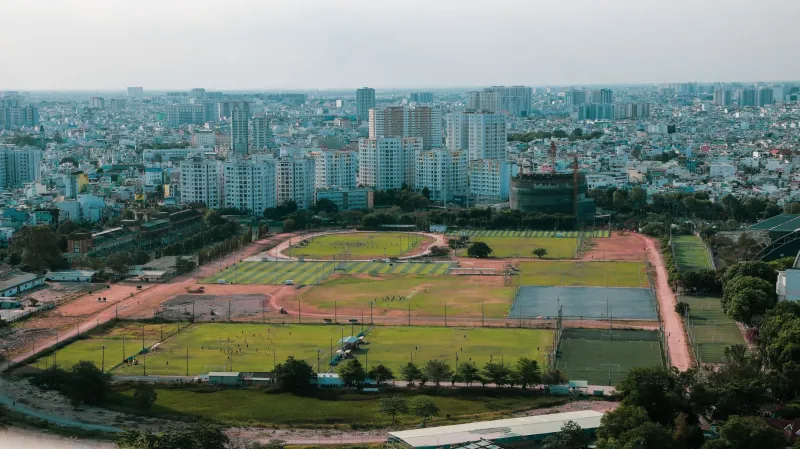
The Timbers' own youth academy — one of the more respected development pipelines in MLS — has spawned a broader ecosystem. Independent youth clubs have formed specifically to feed into or compete with academy-track programs. Coaching certifications are up. Turf field construction has accelerated in suburban communities like Beaverton, Hillsboro, and Lake Oswego, partly in response to demand that the Timbers' visibility helped generate.
"We couldn't have built this program ten years ago — there wasn't the appetite," says the director of one Portland-area club that has grown from a handful of recreational teams to a full competitive travel program with over 400 registered players. "The Timbers changed what soccer means to families here. It's a real option now. It's aspirational."
All those registration fees, uniform purchases, equipment sales, and tournament travel dollars represent genuine economic activity — and it's activity that flows through local businesses and keeps money circulating in the regional economy.
Attracting Eyes from Outside Portland
There's another economic dimension that's harder to quantify but impossible to ignore: the Timbers have made Portland a destination for soccer-specific tourism and investment.
Out-of-town fans traveling to Portland for away matches spend money on hotels, restaurants, transportation, and retail. The Timbers' reputation for one of the best atmospheres in MLS — consistently cited by national soccer media — draws visitors who might not have otherwise put Portland on their travel radar.
For developers and investors evaluating Portland as a market, the Timbers function as a kind of cultural credibility signal. A city with a rabid, committed, sophisticated sports fanbase is a city with civic energy. That matters when you're deciding where to put capital.
"Sports franchises are economic anchors in ways that go beyond the obvious," notes one urban economist familiar with the Portland market. "They create identity. They create foot traffic patterns. They give neighborhoods a reason to exist on nights and weekends that would otherwise be quiet. The Timbers have done all of that for this part of the city."
What It All Adds Up To
None of this is magic. It's the compounding effect of a club that built genuine community roots, invested in a stadium that became a point of civic pride, and cultivated a fanbase that treats soccer as a lifestyle rather than just entertainment.
For the fans who bleed green and pack Providence Park every home match, the economic story is mostly background noise. They're there for the tifos and the chants and the ninety minutes of pure soccer. But it's worth pausing to appreciate what all that passion has built beyond the pitch — a more vibrant neighborhood, a more robust youth sports ecosystem, and a city that sees itself a little differently because of a sport that wasn't even on Portland's radar twenty years ago.
The Timbers didn't just give Portland a soccer team. They gave the city an economic identity it didn't know it was missing.