From Providence Park to the Backyard: How Portland's Soccer Obsession Is Rewiring Youth Sports Across America
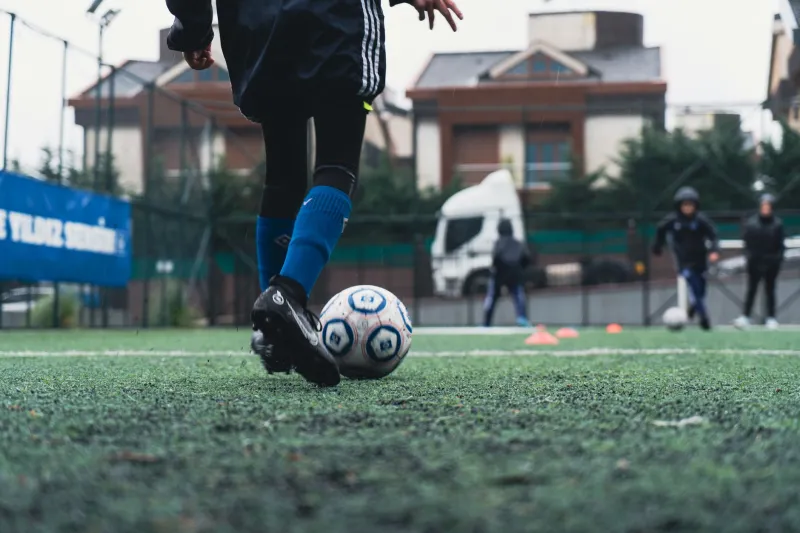
Walk into any youth soccer complex on a Saturday morning in the Portland metro area and you'll notice something that didn't exist twenty years ago: kids wearing Timbers kits. Not knockoffs, not generic green jerseys — actual replica kits with names like Evander and Ayala on the back. Parents are clutching coffee in one hand and a Timbers Army scarf in the other. The sideline conversations aren't about baseball tryouts or basketball leagues. They're about formations, pressing triggers, and whether the under-10s should be playing out of the back.
This isn't a coincidence. It's the Timbers Effect.
A Culture That Trickles Down
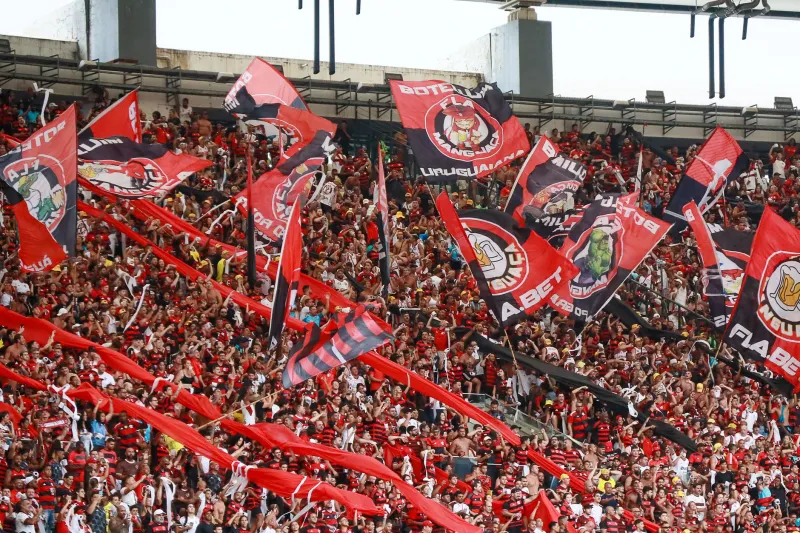
When Portland Timbers entered MLS in 2011, the Pacific Northwest already had a quiet soccer tradition — Cascadia Cup rivalries, passionate supporter groups, and a regional identity that leaned toward the sport. But what the Timbers did was turbocharge all of it. They gave the game a local face, a community identity, and a level of spectacle — tifos, smoke, the log-chopping Timber Joey — that made soccer feel less like a niche import and more like the most exciting thing happening in town.
That cultural energy didn't stay inside Providence Park. It seeped into neighborhoods, schools, and youth clubs in ways that are still unfolding today.
Oregon Youth Soccer Association data shows a steady climb in registered youth players over the past decade, with numbers accelerating particularly in the years following the Timbers' 2015 MLS Cup championship. While national youth soccer enrollment has seen some fluctuation across the country, the Portland metro region has consistently outperformed the national average in new registrations — particularly in the 6-to-12 age bracket.
What Youth Directors Are Actually Seeing
Talk to the people running youth clubs in the area and a clear pattern emerges. The Timbers aren't just a team parents take their kids to see. They're a reference point for what the sport can look like at its best.
"Before MLS came in, you'd explain to parents what a center midfielder does and you'd get blank stares," said one youth director at a Portland-area club who has been coaching at the grassroots level for over fifteen years. "Now I've got eight-year-olds who can tell me the difference between a six and an eight. They're watching Timbers games, they're watching clips on YouTube, they actually understand the game. That changes everything about how you can coach."
That shift in soccer literacy among kids — and their parents — is having a real impact on coaching philosophy. Clubs that might have once prioritized athleticism and hustle over technical development are now investing in licensed coaching staff, small-sided game structures, and player-centered training models that mirror what they see from Timbers Academy and the club's developmental pipeline.
The Timbers Academy itself has become something of a north star for youth clubs across the region. When Portland's development system produces players who go on to wear the green and gold at Providence Park, it sends a message to every local family that the pathway is real — that the kid playing in the backyard might actually have somewhere to go.
The MLS Effect Isn't Just a Portland Story
Here's where it gets interesting for the broader American soccer landscape. Researchers and youth sports analysts have started asking whether the Portland model is replicable — and whether other cities are seeing the same downstream effects from a strong MLS presence.
The short answer: yes, but not always at the same intensity.
Cities like Seattle, Atlanta, and Kansas City have all reported growth in youth soccer participation that tracks with the rise of their MLS clubs. But what makes Portland stand out is the density of the cultural connection. The Timbers Army isn't just a supporters section — it's a civic institution. When the club wins, the whole city feels it. When the club struggles, local sports radio is full of it. That level of community ownership creates a feedback loop that pushes soccer deeper into everyday life than a franchise with a more passive fanbase ever could.
"What Portland figured out — maybe accidentally, maybe by design — is that the supporter culture becomes part of the city's identity," said one youth sports researcher who has studied MLS market penetration. "And when your city identifies with soccer, parents enroll their kids in soccer. It's that simple and that complicated at the same time."
Demographic Shifts Worth Watching
One of the more quietly significant trends in Portland youth soccer is who's playing. For decades, American youth soccer had a reputation — often deserved — as a sport dominated by suburban, middle-class white families with the time and money to fund travel leagues and club fees. That's still a real barrier. But the Timbers have made a visible effort to expand access through community programs and partnerships with underserved neighborhoods.
The club's community outreach work, including free clinics and school-based programs, has helped introduce the sport in zip codes that historically wouldn't have been major youth soccer markets. Youth coaches in these areas describe a noticeable uptick in kids showing up to parks and rec programs specifically because they saw a Timbers game or caught a highlight on social media.
It's incremental, and there's still a long way to go before youth soccer is truly accessible across all income levels. But the directional shift is real, and Portland is further along that path than most MLS markets.
The Ripple Effect Beyond Oregon
The influence doesn't stop at the state line. Youth clubs in Washington, Idaho, and Northern California have all cited the Timbers' model — both on and off the field — when revamping their own development structures. Coaches from outside the region have traveled to Portland specifically to study how the club connects its professional brand to the grassroots game.
And in cities where MLS expansion is still relatively new — think St. Louis, Nashville, or Sacramento — local youth soccer administrators are watching what Portland built and asking how fast they can replicate it.
"Every city that gets an MLS team thinks they're going to become the next Portland," one Pacific Northwest youth director noted with a laugh. "Most of them don't. But the ones that invest in the community piece, that build the culture from the bottom up rather than just selling tickets — those are the ones that actually move the needle."
What It Means for the Next Generation
The kids wearing Evander jerseys on those Saturday morning sidelines will be in high school in a few years. Some of them will end up in college programs. A handful might crack the Timbers Academy. A very few might make it all the way to Providence Park.
But even for the ones who don't, something has already happened. They grew up in a city where soccer mattered. Where their parents understood the game. Where the local professional club was a source of genuine pride rather than a background noise franchise.
That's what the Timbers Effect actually looks like at ground level — not just trophies or transfer fees, but a generation of kids who think of soccer as their sport. Portland's sport. And increasingly, America's sport.
Bleed green. The future is already warming up on the sideline.