Rose City's Other Beautiful Game: Why Portland Is Perfectly Positioned to Lead the NWSL Revolution
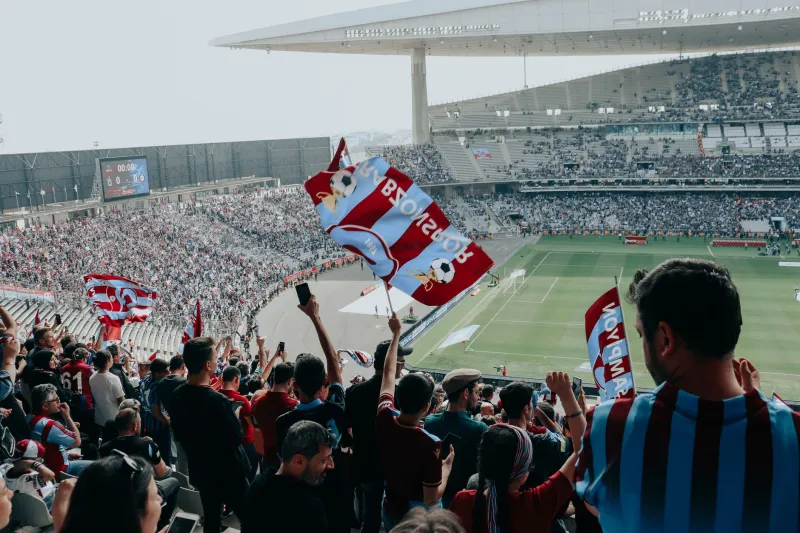
If you want to understand where women's professional soccer in America is headed, you could do a lot worse than spending a Saturday afternoon in Portland. The city has the stadium, the supporter culture, the organizational infrastructure, and — maybe most importantly — the attitude that women's soccer deserves the same intensity and investment as anything else on the sporting calendar. That's not a given in most American cities. In Portland, it feels like the obvious baseline.
The Foundation That Already Exists
Let's be clear about something that often gets glossed over in national conversations about NWSL growth: Portland isn't starting from zero. The Rose City Thorns — operating under the same ownership umbrella as the Timbers — have been one of the league's marquee franchises since NWSL's founding in 2013. They've won championships. They've developed international stars. They've drawn crowds that embarrassed most men's league attendance figures in their early years.
For fans coming to games at Providence Park, the Thorns aren't an afterthought. They're part of the same green-blooded identity that drives everything else about Portland soccer culture. You see the same scarves, the same chants adapted for different players, the same commitment to making noise from the first whistle. That shared cultural DNA between the two clubs is genuinely rare in American soccer and represents an enormous competitive advantage for women's soccer in this market.
What a Game Day Actually Looks Like
If you haven't been to a Thorns match yet, here's your game day primer — and yes, you should go.
The atmosphere at Providence Park for Thorns matches carries the same energy that makes Timbers games famous. The Rose City Riveters, the official supporter group, occupy their section with the same commitment to visual spectacle and vocal chaos that you'd expect from a city that takes supporter culture seriously. Tifos go up. Chants roll. The stadium feels alive in a way that casual observers don't expect and regulars take for granted.
Pre-game, the neighborhood around the stadium activates in familiar ways. The bars and restaurants that fill up for Timbers matches do the same for Thorns games, though the crowds skew a little different — more youth players, more families, more people who maybe didn't grow up with soccer as their primary sport but found their way in through the women's game. That demographic breadth is a strength, not a weakness.
Tickets remain more accessible for Thorns matches than for Timbers, which means if you've been on the fence about experiencing Providence Park for the first time, a Thorns match is actually a fantastic entry point. The atmosphere is real, the soccer is excellent, and you might just find yourself hooked.
The NWSL Moment and Why Timing Matters
The National Women's Soccer League is at an inflection point. New ownership groups are investing seriously. Media deals are getting bigger. The 2023 Women's World Cup reminded the entire country that there's a massive, underserved audience for elite women's soccer — and that audience is ready to show up if you give them something worth showing up for.
Portland is already doing that. But the question isn't whether Portland can sustain what it has — it's whether the city can become the model that the rest of the league follows as NWSL scales.
The argument for Portland as the NWSL's flagship market comes down to a few factors. First, infrastructure: Providence Park is an actual soccer stadium with actual atmosphere, not a converted football field or a minor league baseball park with temporary bleachers. Second, organizational experience: the Thorns front office has been navigating the specific challenges of women's professional soccer longer than almost anyone in the country. Third, community: Portland's progressive civic culture and strong youth soccer participation rates create a natural feeder system for the fan base.
The Youth Pipeline and Long-Term Growth
One of the most compelling long-term arguments for women's soccer in Portland is the youth participation picture. Oregon consistently ranks among the top states for girls' youth soccer enrollment, and the Portland metro area is the center of that activity. When young players grow up watching Christine Sinclair, Sophia Smith, and the next generation of Thorns stars performing at the highest level, the aspirational pipeline reinforces itself.
Those young players become fans. Their parents become fans. Their coaches become fans. And eventually, they become the adults filling Providence Park for the next generation of Thorns matches — and potentially the next generation of NWSL expansion in markets that Portland helped inspire.
What Portland Needs to Do Next
Having the foundation isn't the same as fulfilling the potential. Portland's path to genuine NWSL leadership runs through continued investment in the Thorns product, expanded community programming that connects the club to neighborhoods that aren't already part of the soccer ecosystem, and a marketing commitment that treats the women's game as a first-class product rather than a companion piece to the men's schedule.
The Timbers' success proved that if you build the culture right, the business follows. Portland has a chance to prove that same lesson applies to women's soccer — and that the Rose City can lead the way for the entire country.
Bleed green. All year. Both teams.