Green Dollars, Real Returns: How the Timbers Quietly Became an Economic Engine for the Pacific Northwest
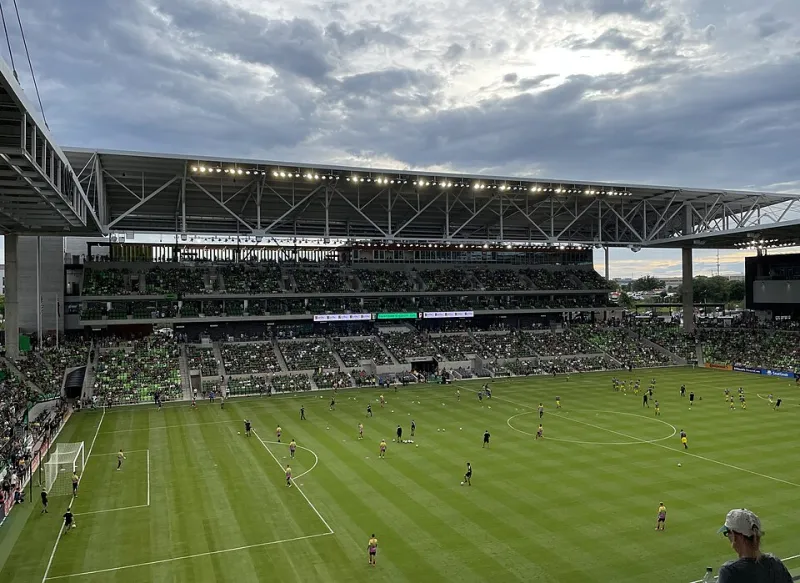
Let's talk about something that doesn't come up much in pregame conversations at your favorite bar near Providence Park: the Timbers are quietly running one of the more interesting economic experiments in American professional sports. Not just for Portland, but for the broader Pacific Northwest region. And the returns, when you actually dig into them, are pretty striking.
This isn't a puff piece about how great soccer is for communities — though, for the record, it is. This is a genuine look at what MLS success in a mid-sized American city actually produces when you follow the money past the ticket booth.
A City That Bet on Soccer Before It Was Safe
When the Timbers joined MLS as an expansion team in 2011, Portland was still navigating a rough economic stretch alongside the rest of the country. The decision to build around professional soccer in a market that had historically been defined by basketball and outdoor recreation culture looked, to some, like a gamble. More than a decade later, that gamble has a paper trail.
Match day spending in the area surrounding Providence Park has grown substantially since the Timbers' MLS era began. Restaurants within a mile radius of the stadium report their highest weekly revenue on Timbers match days — often outpacing even weekend dinner rushes. Bars in the Pearl District and Northwest Portland regularly fill to capacity hours before kickoff, with tabs that reflect the kind of sustained, group-oriented spending that other sports simply don't generate at the same rate.
Soccer, it turns out, is a particularly good economic event. Fans arrive early, stay late, travel in groups, and often turn a single match into a full-day outing. That behavioral pattern translates into higher per-capita spending than a lot of comparable sporting events.
The Hotel and Tourism Multiplier
Here's a number that tends to surprise people: a meaningful percentage of Timbers home attendance comes from outside Portland. Fans driving in from Seattle, Eugene, Bend, and even northern California are a regular feature of Providence Park's crowd. Away supporter groups from around MLS bring their own traveling contingents. And major matches — playoffs, rivalries, nationally televised games — draw visitors who book hotel nights, rent cars, and explore the city.
Portland's tourism infrastructure has benefited from this in ways that are easy to overlook. The city's hotels see consistent demand spikes tied to the Timbers schedule, particularly during the summer and fall stretch of the season. Travel and hospitality industry data from the Portland metro area shows soccer-related tourism as a growing segment, one that the city's tourism bureau has started actively marketing around.
For context, compare this to markets where MLS teams play in suburban stadiums with surface parking and no surrounding neighborhood. Those venues generate transaction-based revenue — tickets, concessions, merchandise — but relatively little of the spillover economic activity that comes from being embedded in a city. Portland's urban setup is a genuine competitive advantage in this regard.
Commercial Real Estate and the Providence Park Halo
Real estate professionals in Portland have started using a term that would have seemed strange fifteen years ago: the Providence Park effect. Properties within a certain radius of the stadium — particularly retail and food-and-beverage spaces — carry a premium tied in part to match day foot traffic. Landlords in the area factor Timbers game nights into their pitch to prospective tenants.
This mirrors patterns seen in other American cities where sports venues have anchored commercial development. The area around Coors Field in Denver, the neighborhoods surrounding Fenway Park in Boston, the blocks near Oracle Park in San Francisco — all show similar dynamics where consistent, passionate fan traffic becomes a commercial asset that radiates outward from the venue.
What's notable about Portland's version of this story is the speed of it. Other sports venues often take decades to meaningfully reshape surrounding commercial corridors. The Timbers' influence on the neighborhoods around Providence Park has been relatively rapid, partly because the fan base arrived with intensity and spending habits already fully formed.
The Small Business Ecosystem
Beyond the bars and restaurants that everyone thinks about, there's a broader small business ecosystem that has grown up around Timbers culture. Local designers producing Timbers-adjacent apparel. Tattoo shops whose artists specialize in soccer-themed work and stay busy year-round because of the fan community. Food cart pods that have structured their schedules around match days. Photographers, graphic designers, and content creators who have built careers partially on Timbers-related work.
This is the kind of economic activity that doesn't show up neatly in official impact studies but is absolutely real. The Timbers have created a cultural gravity that generates economic opportunity for creative and service-sector workers in ways that extend well beyond the ninety minutes of a match.
What Portland's Trajectory Tells Other Cities
Look at what's happened in other markets where MLS has taken root with genuine fan passion — Atlanta, Seattle, Kansas City — and you see similar patterns: soccer success correlates with commercial vitality in specific urban corridors, tourism growth tied to major matches, and the development of small business ecosystems rooted in fan culture.
The difference in Portland is that it happened in a city without a dominant major pro sports culture competing for the same dollars and attention. When the Timbers became the emotional center of Portland sports, the economic benefits weren't diluted across multiple major league franchises. They concentrated.
For smaller and mid-sized American cities watching MLS expansion continue, Portland's trajectory is a compelling case study. You don't need an NFL team or an NBA franchise to generate real sports-driven economic activity. You need a club that means something to its community — and a community willing to show up for it.
The Regional Ripple
Zoom out from Portland proper and the picture gets even more interesting. The Timbers' success has contributed to a broader Pacific Northwest soccer culture that generates its own economic activity. Youth soccer programs throughout Oregon have seen enrollment growth. Regional tournaments draw families from across the state. The Thorns — Portland's NWSL club, sharing the same ownership and stadium — have added their own economic footprint to the same ecosystem.
When you look at the Pacific Northwest as a soccer region rather than just Portland as a soccer city, the economic story gets bigger. The Timbers are the anchor, but the ripple effects spread well beyond the city limits.
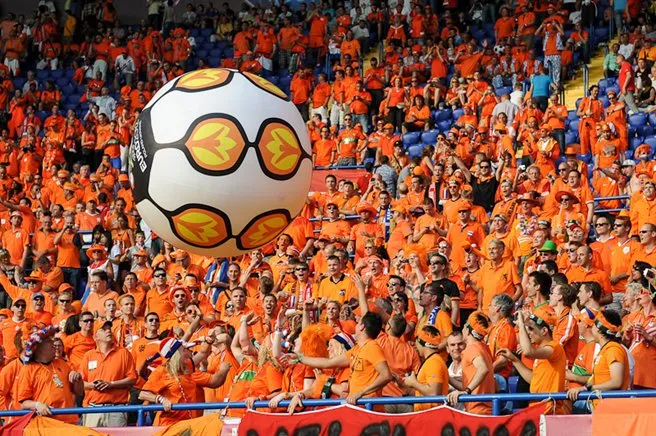
None of this happens without the fans. The economics only work because the culture is real. And the culture is real because people in green jerseys have been showing up, loud and committed, for over a decade.
That's worth something. Turns out, it's worth quite a lot.