Organized Chaos: The Fan Trust That Gives Timbers Supporters a Seat at the Table
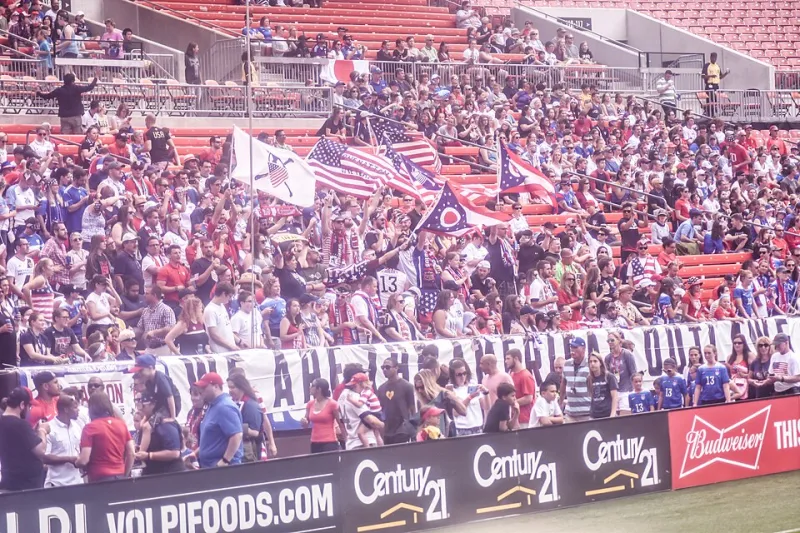
Photo: Erik Drost, CC BY 2.0, via Wikimedia Commons
More Than a Section, Less Than an Owner
American sports fans are used to a simple arrangement: they buy tickets, the club cashes the checks, and that's where the relationship ends. Try to organize anything beyond a watch party and you're suddenly a group of individuals with no legal standing, no bank account, and no ability to make promises on anyone's behalf.
Portland's supporters looked at that arrangement and said, nah. The 107 Independent Supporters Trust — the 107ist, named for the section at Providence Park — exists because fans decided that if they wanted real influence, they needed real structure. So they built one.
What Actually Is the 107ist?
Strip away the acronyms and it's fairly simple. The 107ist is a member-run nonprofit organization. Anyone can join by paying annual dues, and members elect a board of directors that handles the group's business. That business includes some things you'd expect and some things that surprise people:
- Match day operations — coordinating tifos, organizing the supporter sections, and managing the logistics that make Timbers Army displays possible.
- Charity work — the group's 107ist charity arm has channeled serious money into local causes over the years, including partnerships with local youth organizations and community groups around Portland.
- Advocacy — when issues come up between fans and the club or the league, the 107ist can speak with one organized voice instead of a thousand scattered ones.
That last point is the big one. A fan with a complaint is noise. A nonprofit with several thousand members and a track record of community investment is a stakeholder. Clubs and leagues know the difference.
Why the Legal Structure Matters
Here's the part most fans never think about: money and liability. When a supporter group collects dues, runs a charity drive, or buys hundreds of yards of fabric for a tifo, someone has to be accountable. Without formal incorporation, that someone is whoever's name is on the bank account — which is a great way to lose a friendship and possibly a lawsuit.
The 107ist's nonprofit structure solves this. Dues are tracked. Spending is governed. There are elections, bylaws, and meetings with agendas. It sounds boring until you realize it's precisely this boring infrastructure that lets the fun, chaotic stuff happen at scale. The tifo doesn't get unfurled by magic. It gets unfurled by a 501(c)(7) with a budget line for fabric.
Could Other Fanbases Copy It?
Honestly? Most of them could, and fewer do than you'd think. The ingredients aren't Portland-specific. You need:
- A committed core willing to do unglamorous organizational work
- Dues — even $20 a year transforms what a group can do
- Patience — trust between fans and institutions builds over years, not months
Some supporters groups elsewhere have adopted similar models, and independent fan trusts are common in European football, where they sometimes even hold ownership stakes. American sports culture, with its top-down franchise model, has been slower to embrace the idea. But the 107ist is proof it works here — that fans can be organized, self-funded, and genuinely influential without a single share of the club.
The Takeaway
The next time you watch a tifo cascade down the Timbers Army end or read about supporters raising thousands for a local cause, remember: that's not just passion. That's passion with a board of directors. Portland's fans figured out that the best way to protect the culture they built was to give it a legal backbone.
Other fanbases, the blueprint's sitting right there in Section 107. All you have to do is organize.