Green Money: The Unofficial Economy That Timbers Fans Built From the Ground Up
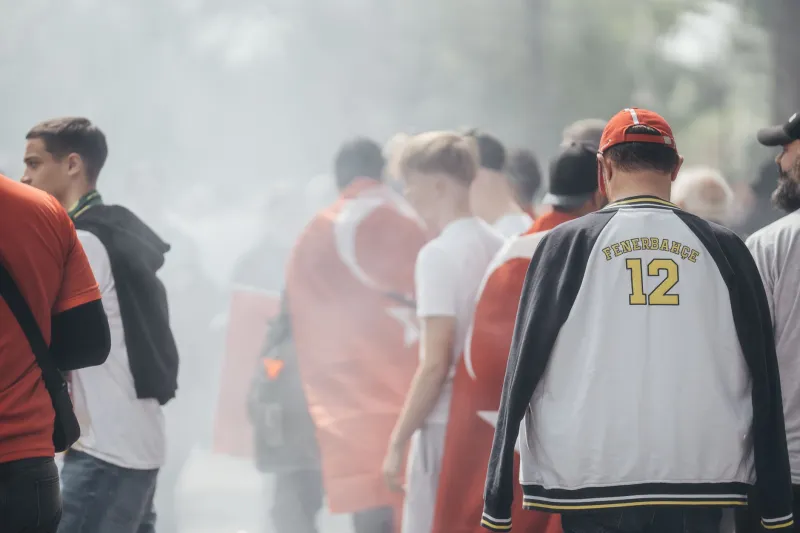
Walk through the pregame scene outside Providence Park on any home match day and you're walking through a small business district that didn't exist 15 years ago. There's the guy selling hand-screened shirts out of a folding table. The woman running a pop-up sticker shop from a converted bike trailer. The couple who started making custom scarves in their garage and now ship orders to Timbers fans in 30 states.
None of this is the Portland Timbers. All of it is the Portland Timbers.
The unofficial economy that has grown up around this club is one of the more remarkable stories in American sports — not because it's unique to soccer, but because of its scale, sophistication, and the degree to which it's woven into the club's actual identity. This isn't a black market or a gray area. It's a community that found ways to turn shared passion into real, sustaining revenue — and in doing so, made the whole ecosystem stronger.
The Merch Underground
Let's start with the most visible layer: fan-created merchandise.
The Timbers Army has a long tradition of producing its own visual culture — scarves, banners, patches, shirts — that operates entirely independently of the club's official licensing structure. Some of this is strictly nonprofit, produced for internal use within supporter groups. But a significant portion has evolved into genuine small businesses.
Take the handful of Portland-based designers who've built followings specifically around Timbers-adjacent art. These aren't bootleggers selling knockoff crests — they're creators making original work that expresses something about what it means to be part of this community. Rose City imagery, Pacific Northwest iconography, chant lyrics rendered as typographic prints. The market for this stuff is real, and it's loyal.
"Our best-selling piece isn't even explicitly about the Timbers," says one Portland-based designer who asked to keep her shop name out of this piece to avoid complications with licensing discussions. "It's a print that just says 'Rose City' over a topographic map of the Willamette Valley. But every single person who buys it knows exactly what it means."
The club has taken a notably relaxed approach to this kind of fan creativity — at least compared to some other American sports organizations that pursue trademark enforcement aggressively. That tolerance has paid dividends. The fan merch economy keeps people engaged with Timbers culture year-round, not just on match days.
The Podcast Ecosystem
Somewhere between hobby and profession, there's a layer of Timbers-focused media that most casual observers don't fully see.
There are multiple independently operated podcasts covering the Timbers with genuine production value — weekly shows, post-match breakdowns, transfer window analysis. Some have been running for years. A few have built audiences large enough to attract real sponsorship dollars, turning what started as a passion project into a side income or, in at least one case, a primary income.
The economics here are interesting. A niche sports podcast with a highly engaged audience of, say, 8,000 weekly listeners is genuinely attractive to certain advertisers — particularly local businesses, soccer-adjacent brands, and companies trying to reach the specific demographic that hardcore MLS fans represent. That demographic skews younger, more urban, and more educated than most American sports audiences, which makes it valuable.
"We started this because we wanted to talk about the Timbers and nobody was paying us to shut up," says the host of one long-running Timbers podcast. "Three years in, we're covering our costs and then some. We've got a couple of sponsors, we do a Patreon, we sell some merch. It's not a living, but it's not nothing, either."
Multiply that across the half-dozen or so active shows in the ecosystem and you're looking at a meaningful volume of commerce generated entirely by fans.
Community-Driven Sponsorships and Grassroots Fundraising
The Timbers Army and affiliated supporter groups have developed a surprisingly sophisticated approach to community finance that most sports organizations never bother to cultivate.
Matchday fundraisers for local nonprofits. Tifo crowdfunding campaigns that raise tens of thousands of dollars from the fanbase. Charity auctions of supporter-created art. These aren't just feel-good activities — they're revenue flows that connect the Timbers community to Portland's broader civic and charitable ecosystem.
There's also a grassroots sponsorship layer that often flies under the radar. Local bars, restaurants, and businesses that cater to the Timbers crowd have built informal partnerships with supporter groups — sponsoring away trip buses, contributing to tifo budgets, advertising in fan-produced programs and podcasts. These relationships generate real money for the fan organizations while keeping local businesses tied to the community.
"The bar I go to for every home game has been sponsoring Timbers Army events for years," says longtime supporter Jamie Reyes. "They get business, the Army gets resources, the fans get a home base. Everybody wins. The club didn't create that relationship — we did."
What This Means for the Club (and for Other Teams)
Here's the part that should get front office attention league-wide: this unofficial economy doesn't compete with the Timbers — it amplifies them.
Every fan-made shirt sold is a walking advertisement. Every podcast episode is content that keeps the club top of mind during the offseason. Every charity event builds goodwill that reflects on the organization. The club gets marketing value, community capital, and fan retention benefits from an ecosystem it didn't have to build or fund.
Some MLS clubs have started to recognize this and are actively trying to nurture fan-creator communities rather than suppress them. Others are still stuck in a control-and-monetize mindset that treats every unofficial piece of merchandise as a threat rather than an asset.
Portland, whether by accident or design, landed on the right side of that question early. The result is a fan economy that generates real dollars and real loyalty — and that makes the whole green-and-gold world just a little bit bigger every season.
Not bad for a folding table and a garage full of scarves.