Hooked After One Game: The Science Behind Portland's Uncanny Ability to Turn First-Timers Into Lifers
Ask almost any Portland Timbers season ticket holder to describe their first game at Providence Park, and they'll pause before answering. Not because they don't remember — they remember everything — but because they're trying to figure out how to explain something that doesn't fully make sense in words.
"I wasn't even a soccer fan," says Dani Kowalczyk, a graphic designer from Northeast Portland who attended her first Timbers game in 2018 as a birthday gift from a coworker. "I'm talking zero interest in soccer. I went because it was something to do on a Saturday. I signed up for a season ticket package six weeks later."
Dani's story isn't an outlier. It's practically a template.
The Numbers Don't Lie
Portland's fan conversion rate — the speed and consistency with which first-time attendees become repeat ticket buyers and eventually committed supporters — is the envy of MLS. While the league doesn't publicly publish conversion metrics by club, front office professionals across multiple franchises have acknowledged in interviews over the years that Portland operates in a different category when it comes to turning casual interest into durable fandom.
Some of this is measurable. Providence Park has been at or near capacity for Timbers matches for over a decade. The waitlist for season tickets has fluctuated but remained a consistent presence. Merchandise sales per capita in the Portland market outperform most comparable MLS cities. These are the downstream effects of a conversion machine that starts working the moment someone walks through the gates.
But the more interesting question isn't whether Portland converts fans faster. It's why.
Designing an Experience That Rewires Your Brain
Sports psychologists and consumer behavior researchers have spent a fair amount of time studying what makes a live sporting event "sticky" — meaning, what makes someone want to come back. The factors that consistently show up in the research include sensory intensity, social belonging, narrative investment, and what researchers call "collective effervescence," a term borrowed from sociology that describes the feeling of being part of something larger than yourself.
Providence Park hits every single one of those levers, and it does so almost immediately.
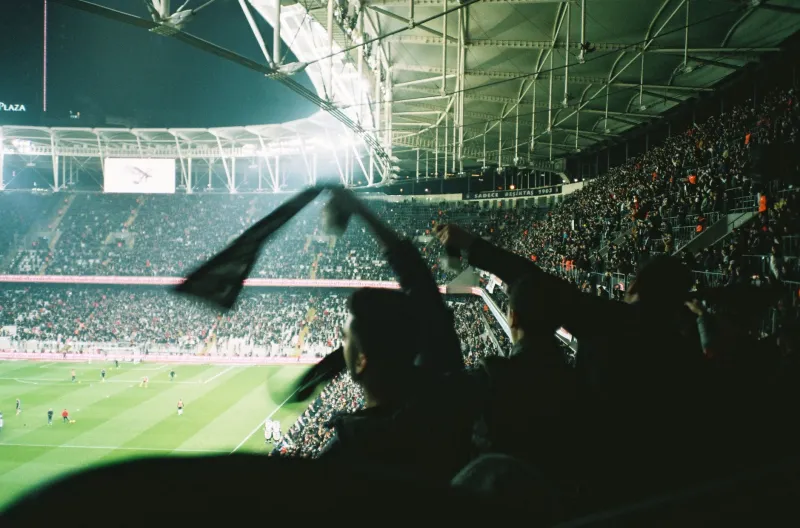
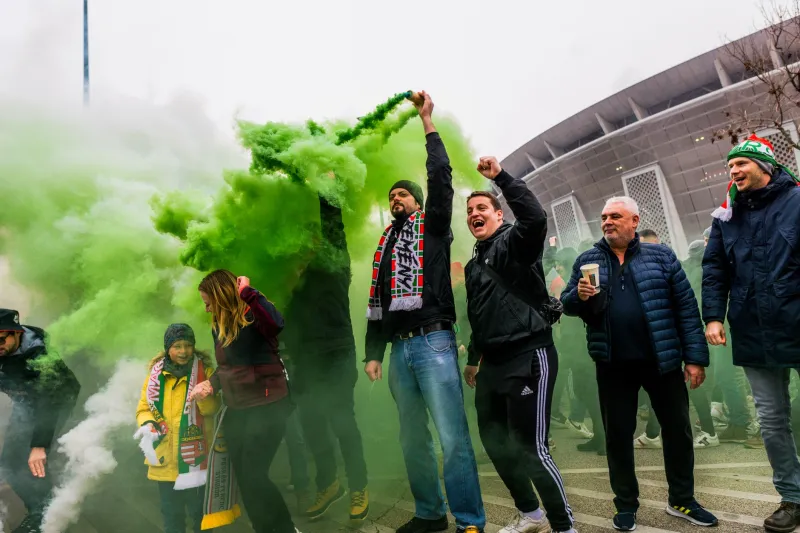
The stadium's compact design means the crowd noise is concentrated and inescapable. You don't experience the Timbers Army from a distance — you're surrounded by it. The visual spectacle of coordinated tifos and smoke creates a sensory environment that most American sports fans simply have no reference point for. And critically, this all happens before the match even kicks off. By the time the whistle blows, a first-time attendee has already had their nervous system recalibrated.
"There's real neuroscience behind this," says Dr. Marcus Teel, a behavioral psychologist based in Seattle who studies sports fan psychology and has attended matches at multiple MLS venues for research purposes. "When you experience that level of shared emotional intensity with a group of strangers, your brain forms strong associative memories. The stadium, the colors, the sounds — they all get encoded together. That's why people describe their first Timbers game so vividly years later. It wasn't just fun. It was neurologically significant."
The Ritual Architecture of Match Day
Portland's conversion power isn't just about the stadium's physical design. It's about the rituals that structure the experience and give first-timers something to grab onto.
The pre-match march from the bars along Southwest Morrison. The call-and-response chants that even newcomers can pick up within minutes. The log chop after a goal. The specific songs, the specific timing, the specific vocabulary of being a Timbers fan — all of it adds up to a cultural grammar that is accessible enough to invite participation but deep enough to reward continued engagement.
This is actually a sophisticated piece of community design, whether it was intentional or organic (and in Portland's case, it's been a mix of both). Rituals create what sociologists call "social scaffolding" — they give people a structured way to belong before they've fully committed to belonging. A first-timer who learns a chant in Section 107 isn't just having fun. They're being initiated, gently and without pressure, into a community with its own norms and traditions.
And communities are sticky. Much stickier than products.
The Marketing That Doesn't Feel Like Marketing
The Timbers' front office has been deliberately thoughtful about how they frame the fan experience in their outreach, and it shows. Rather than leading with the sport itself — which can feel like a barrier to non-soccer fans — Portland's marketing has historically leaned into the community and experience angle. You're not being sold a soccer game. You're being invited to something that happens to involve soccer.
This is a meaningful distinction. Research on sports marketing consistently shows that experience-first messaging outperforms sport-first messaging when targeting casual fans or non-fans. Portland figured this out earlier than most MLS clubs and built their entire fan acquisition funnel around it.
The club also benefits from Portland's broader cultural identity — a city that prizes local loyalty, independent community institutions, and experiences over consumption. The Timbers fit that identity almost perfectly. Attending a Timbers match doesn't feel like buying a product. It feels like participating in something the city owns together.
From First Game to Green for Life
Talk to fans at different stages of their Timbers journey and you start to see a consistent progression. First game: overwhelming, confusing, electric. Second or third game: the rituals start to click, the faces in nearby seats become familiar. Season ticket purchase: the decision point where casual becomes committed. Timbers Army membership: full immersion.
Not everyone reaches every stage. But an unusually high percentage of Portland first-timers at least make it to the second game — and once someone comes back, the odds of long-term retention climb dramatically.
Dani Kowalczyk is now in her sixth season as a ticket holder. She's brought eleven different people to their first Timbers game. Eight of them bought their own tickets within a year.
"I don't even try to explain it to people beforehand," she says. "I just tell them to come once. The stadium does the rest."