Growing the Game from the Ground Up: How Portland's Academy Model Is Reshaping Youth Soccer Nationwide
There's a reason scouts from across Major League Soccer quietly make their way to the Pacific Northwest every year — not just to watch the first team play at Providence Park, but to study what's happening long before any of those players ever step foot on that pitch. Portland Timbers have quietly built something that most MLS organizations are still chasing: a genuine, sustainable, community-rooted player development pipeline that's producing pros and shaping the broader conversation about how American soccer grows its next generation.
And the rest of the country is taking notes.
More Than Just a Training Ground
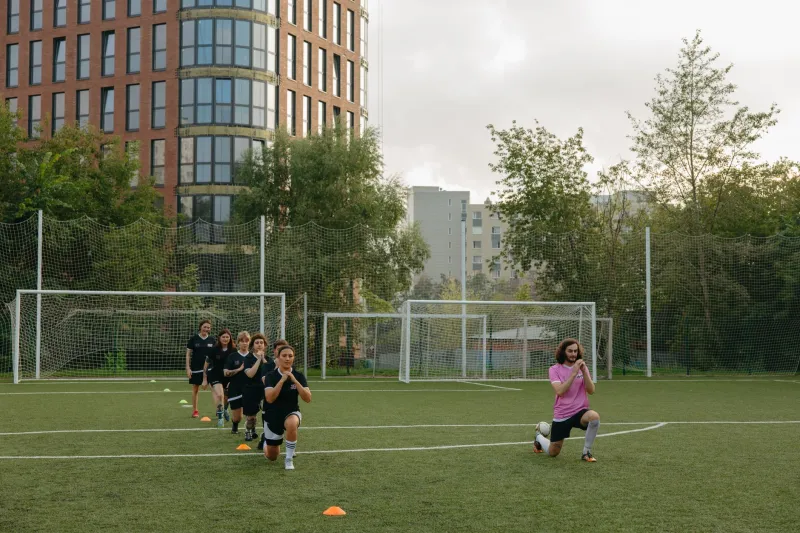
The Timbers Academy isn't just a feeder system — it's a philosophy. Since Portland went full-time MLS in 2011, the club has made consistent, intentional investments in its youth structure. The Timbers U13 through U19 academy teams compete at the highest levels of the U.S. Soccer Development Academy (now the MLS NEXT platform), but what sets Portland apart isn't just the competition level. It's the how.
Coaches within the Timbers system are trained to develop players holistically — technically, tactically, and mentally. The emphasis on positional play and ball-dominant soccer mirrors what the first team runs, meaning academy players aren't learning one style only to be asked to completely relearn another when they move up. That continuity is rarer than you'd think in American youth soccer, where club and academy systems often operate in totally different philosophical universes.
"The biggest thing Portland has figured out is alignment," said one youth development director at a competing MLS club who asked not to be named. "Top to bottom, they're playing the same game. That's incredibly hard to pull off, and they've done it."
Facility Investment That Signals Commitment
You can't build elite players without elite environments. Portland's training facilities have been upgraded significantly over the years, with dedicated space for academy players that doesn't feel like an afterthought tacked onto the first team's setup. That physical investment sends a message — both to recruits and to the broader youth soccer community — that the club is serious.
Comparatively, plenty of MLS clubs still treat their academies like budget line items rather than long-term assets. Portland flipped that script early, and the returns are starting to show up on balance sheets as much as scoreboards. Homegrown player deals save clubs serious money in transfer fees, and Portland has leveraged its academy pipeline to sign several players to professional contracts at a fraction of what comparable talent would cost on the open market.
The financial logic is simple. The cultural logic is even simpler: kids who grow up green bleed green.
Community Partnerships That Go Beyond Soccer
What really separates Portland's model from a purely transactional talent factory is how deeply the club has embedded itself in the broader soccer ecosystem of the Pacific Northwest. Timbers 2 — the club's USL Championship affiliate — gives academy graduates a professional bridge that many clubs can't offer. But beyond that, Portland has cultivated relationships with local high school programs, recreational leagues, and underserved communities through initiatives designed to cast a wider net for raw talent.
The Timbers and Thorns Foundation has played a key role here, funding access programs that get soccer in front of kids who might otherwise never have a pathway to a club academy. It's both good community practice and smart scouting — you can't find talent you never see.
Other MLS clubs have started replicating this approach. Atlanta United, FC Dallas, and New York City FC have all ramped up community-facing development programs in recent years, and conversations with people inside those organizations reveal a common thread: Portland is frequently referenced as the model they're trying to build toward.
The Homegrown Effect
Look at Portland's recent roster history and you'll find players who came up through the system wearing the same crest they grew up watching. That's not an accident. It's the payoff of years of structured investment.
Homegrown players don't just save money — they carry a different kind of meaning for a fanbase as passionate as Timbers Nation. When a kid from the Portland metro area makes his debut at Providence Park, the crowd feels it differently. There's a shared ownership in that moment, a sense that the community itself played a role in bringing that player to the highest level. That emotional connection between club and city is something money genuinely cannot buy.
What Other Cities Are Getting Right — and Wrong
The clubs trying hardest to replicate Portland's model are learning that you can copy the structure without capturing the spirit. You can build facilities, hire coaching staffs, and create community programs — but if the first team culture doesn't reinforce the same values, the pipeline leaks.
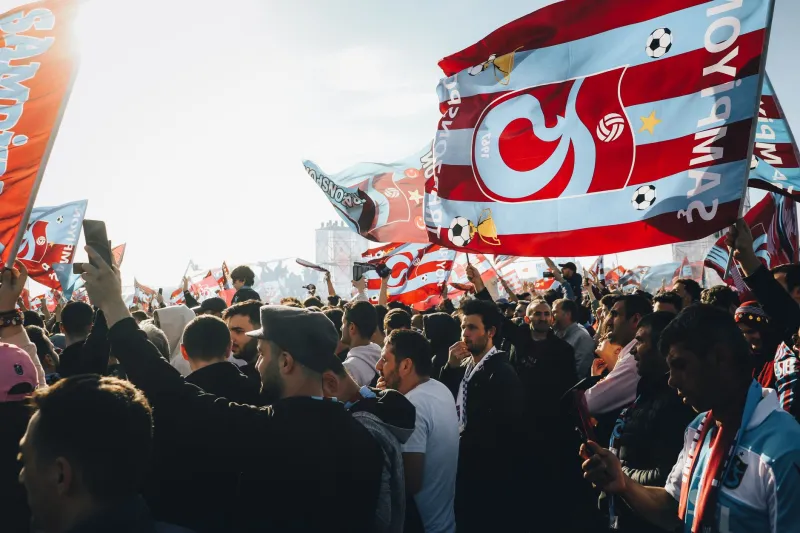
Portland's secret, if you can call it that, is that the academy doesn't exist separately from the club's identity. It is part of the club's identity. The Timbers Army fills Providence Park and roars for the first team on Saturday, but those same fans show up to academy games, follow Timbers 2 results, and know the names of teenagers who haven't played a professional minute yet.
That kind of ecosystem — where fan culture, first team success, and youth development all reinforce each other — is what makes Portland genuinely difficult to replicate. You're not just copying a program. You're trying to copy a city's relationship with its club.
And that, as any Timbers fan will tell you, isn't something you can blueprint your way into overnight.